How Long Do Water Softeners Last in Florida? (Maintenance Guide for Tampa Homeowners)
A water softener is one of the most cost-effective investments a Tampa homeowner can make, but only if it lasts long enough to pay for itself. The national average lifespan for a salt-based ion exchange water softener is 10 to 15 years. In Tampa, that number is typically shorter.
The reason is Tampa's water. At 10 to 15 grains per gallon, the mineral load on your softener's resin bed is significantly higher than most of the country. The harder the water, the harder the system works and the faster components wear. Understanding what affects lifespan, and how to extend it, helps Tampa homeowners get full value from their system and avoid premature replacement.
How Long Do Water Softeners Actually Last in Tampa?
Nationally, ion exchange water softeners are rated for 10 to 15 years. In Tampa, most systems that are properly maintained last 8 to 12 years — still a significant lifespan, but shorter than what homeowners in softer-water cities experience. The primary driver is the resin bed: at 10–15 GPG, it processes roughly 2–3 times the mineral volume per gallon compared to a system in Jacksonville or Miami. Resin beads exhaust and degrade faster under that load.
Tampa Bay Water's use of chloramines as a disinfectant adds another wear factor. Unlike free chlorine, chloramines can degrade resin beads over time, particularly in systems that are not regularly serviced or that lack a pre-filter to reduce chloramine exposure before the resin bed.
| System Type | Expected Lifespan | Avg. Service Interval (Tampa) | Tampa-Specific Notes |
|---|---|---|---|
| Ion Exchange (salt-based) | 8–12 years* | 3–4 years* | Tampa's 10–15 GPG means heavier resin use than US average (5+ years). Annual service strongly recommended. |
| Salt-Free Conditioner | 10–15 years | 5–7 years | No resin to exhaust — media lasts longer. Still benefits from annual inspection for sediment and system checks. |
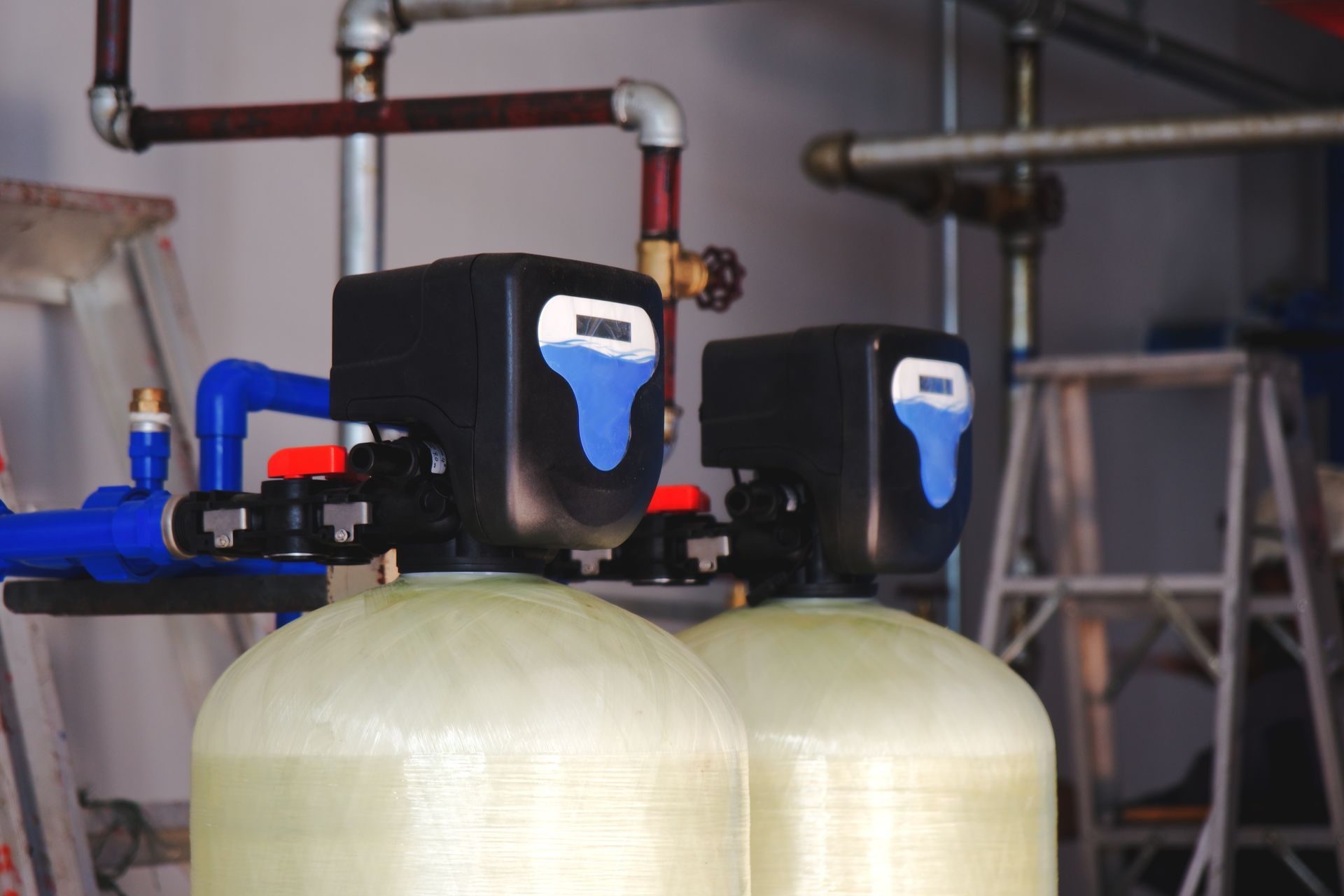
| Twin-Tank Softener | 10–15 years | 3–5 years | Higher-capacity systems handle Tampa's load well. Alternating tanks reduce per-tank resin strain. |
| Whole-Home Filtration | 10–20 years | 1–2 years | System lifespan is long; filter media replacement is the primary ongoing cost. Carbon media lasts 6–12 months depending on chloramine load. |
* Ion exchange lifespan assumes proper annual servicing. Without regular maintenance, resin degradation from Tampa's chloramines and high mineral load can reduce lifespan to 5–7 years.
What Affects Water Softener Lifespan in Tampa?
1. Water Hardness Level
Tampa's 10–15 GPG is classified as very hard. Every gallon processed deposits calcium and magnesium ions onto the resin. More hardness means more ion exchange cycles per day, which accelerates resin wear. If your home's water tests above 15 GPG (common for well users in Hillsborough County), lifespan pressure is even higher.
2. System Sizing
A softener that is correctly sized for your home's daily water usage and hardness level regenerates at the right frequency, not too often and not too rarely. An undersized system regenerates too frequently, exhausting the resin faster. An oversized system regenerates too infrequently, allowing hardness breakthrough. Florida Water Treatment sizes every system after a free water test rather than using default capacity settings.
3. Salt Quality and Refill Frequency
Lower-grade salt with high insoluble content can cause salt bridges and buildup in the brine tank, forcing the system to work harder and reducing regeneration effectiveness. High-purity evaporated salt pellets are recommended for Tampa homes. Most Tampa households need salt refills every 6 to 8 weeks, skipping refills forces the system through dry regeneration cycles that wear the resin and control valve faster.
4. Annual Servicing
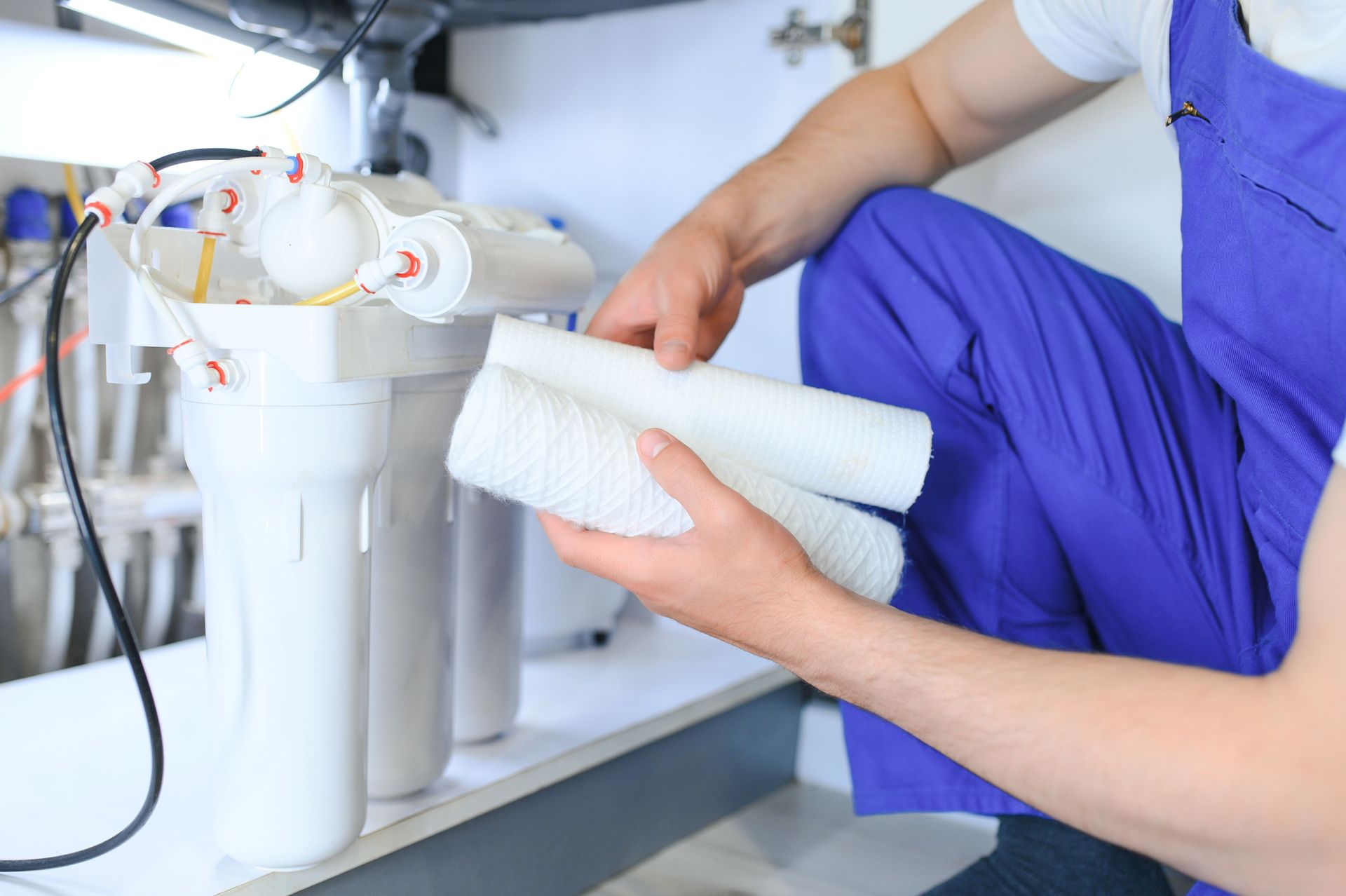
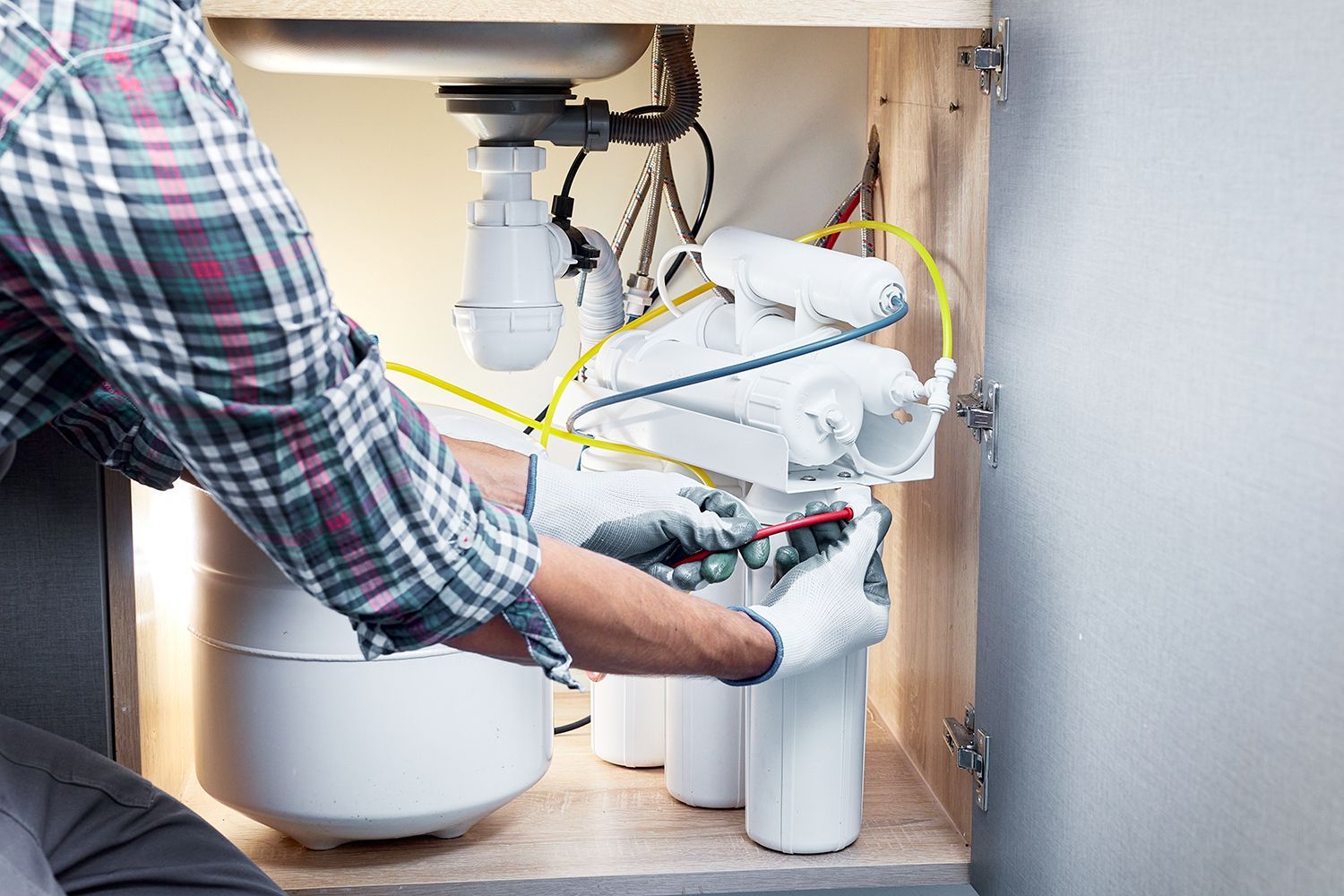
In Tampa specifically, annual servicing is not optional maintenance, it is a lifespan investment. A yearly service visit inspects the resin bed, cleans the brine tank, checks the control valve and timers, and recalibrates the regeneration cycle. Catching a worn O-ring or a partially blocked injector early costs far less than a full resin replacement or a flooded utility room.
Signs Your Tampa Water Softener Needs Attention
Watch for these indicators that your system is working harder than it should:
- Hard water stains returning on faucets or showerheads despite the softener running
- Salt consumption significantly higher or lower than usual
- Unusual sounds — grinding, clicking, or the system cycling too frequently
- Water with a slightly salty or mineral taste (indicates improper regeneration)
- Visible discoloration in the brine tank or salt bridge formation
If any of these signs appear, a service visit is the right first step — not replacement. Tampa's hard water accelerates wear, but many issues that look like end-of-life problems are actually repairable with a resin cleaning, injector replacement, or control valve recalibration. Florida Water Treatment's water softener repair service in Tampa, FL includes a diagnostic assessment before any work is recommended.
When to Replace Rather Than Repair
Repair makes sense for most issues on systems under 10 years old with isolated component failures. Replacement is the better investment when: the system is over 10 years old with multiple component failures; the resin bed is exhausted beyond cleaning; repair cost exceeds 50% of replacement cost; or the system is consistently undersized for your home's current usage.
If replacement is the right call, explore our water softener installation options in Tampa, FL — every new installation starts with a free water test to ensure the replacement system is correctly sized for Tampa's actual water profile, not a national average.
Free water test and system assessment for Tampa homeowners.
Whether you need annual maintenance, a repair, or a replacement — Florida Water Treatment serves homeowners across Tampa, Carrollwood, Westchase, Brandon, and all of Hillsborough County. Call 813-224-9620 to schedule.
Frequently Asked Questions
How often should a water softener be serviced in Tampa, FL?
Tampa homeowners should plan for annual servicing as a minimum, more frequently than the national recommendation of every two to three years. Tampa's hard water at 10 to 15 grains per gallon puts above-average strain on the resin bed and control valve. Chloramines in Tampa Bay Water's supply can also degrade resin over time without a protective pre-filter. An annual service visit inspects the resin bed, cleans the brine tank, checks all valves and seals, and recalibrates the regeneration cycle. Most issues caught at annual service cost a fraction of what they would cost left unattended for two or three years.
How do I know if my Tampa water softener resin needs replacing?
The most reliable indicator is hard water returning despite the softener running — scale on faucets, spotting on dishes, or skin feeling dry after showers. A water hardness test (available from Florida Water Treatment at no charge) can confirm whether your softened water is still within the target range. Resin degradation also shows up as iron staining even when the brine tank looks fine, or as unusually high salt consumption without a corresponding improvement in softness. In Tampa, resin beds typically last 8 to 10 years with proper annual maintenance, shorter in systems without pre-filtration to protect against chloramine exposure.