Reverse Osmosis vs. Water Softener vs. Filtration: Which Do Tampa Bay Homes Need?
Tampa Bay homeowners face a genuine water problem and it comes in more than one form. The region's hard water (10–15 grains per gallon) leaves scale on fixtures and wears out appliances. Tampa Bay Water's chloramine disinfectant leaves a chemical taste and odor. Private well users deal with iron, sulphur, and bacteria on top of that. The question most homeowners eventually ask is: which water treatment system — or combination — is actually right for my home?
The answer depends on which problem you are trying to solve. Reverse osmosis, water softeners, and whole-home filtration systems each do different things. Understanding the difference saves you from buying the wrong system, or spending money on one when two would work far better together.
What Each System Actually Does
Whole-Home Water Filtration
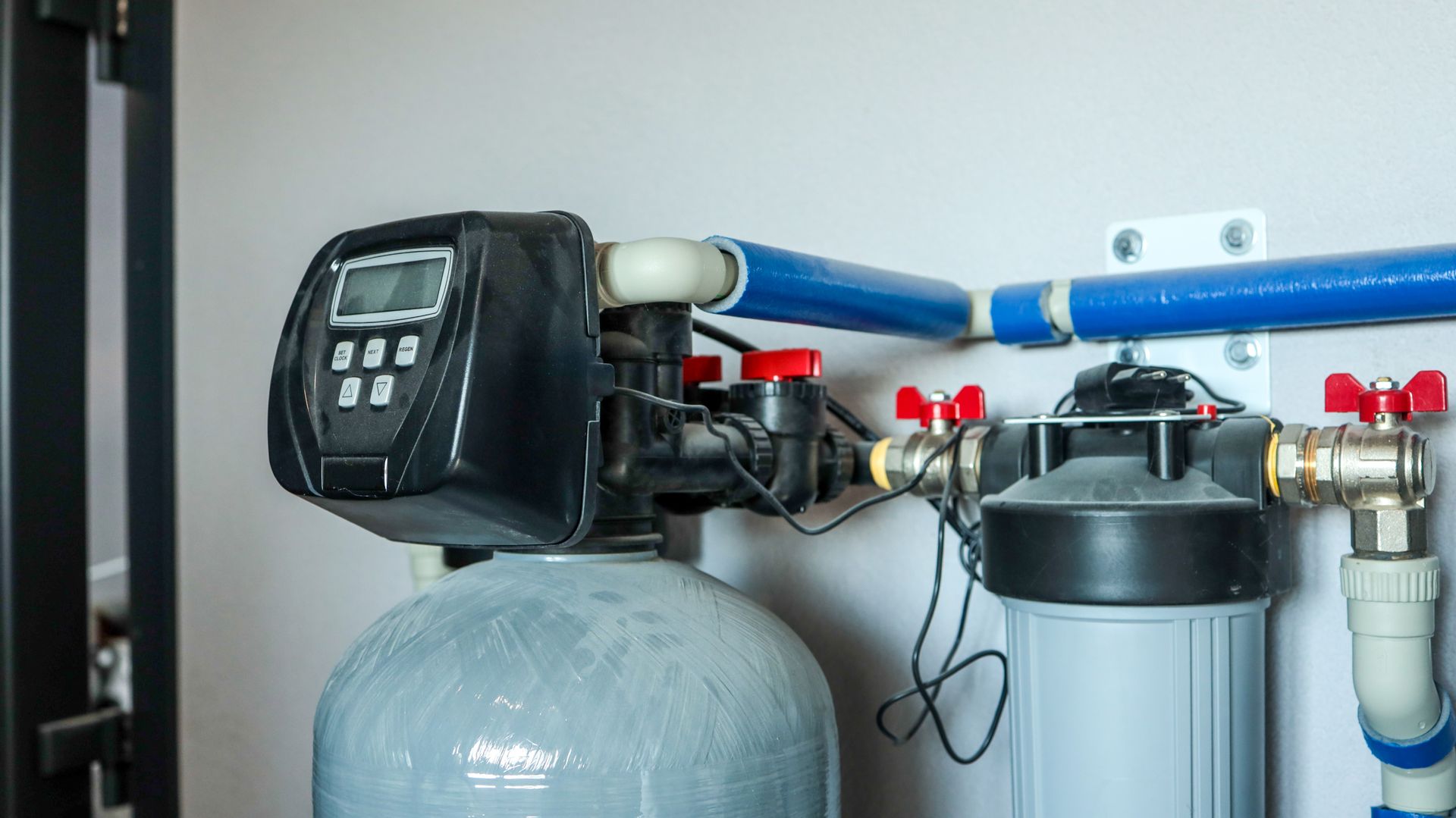
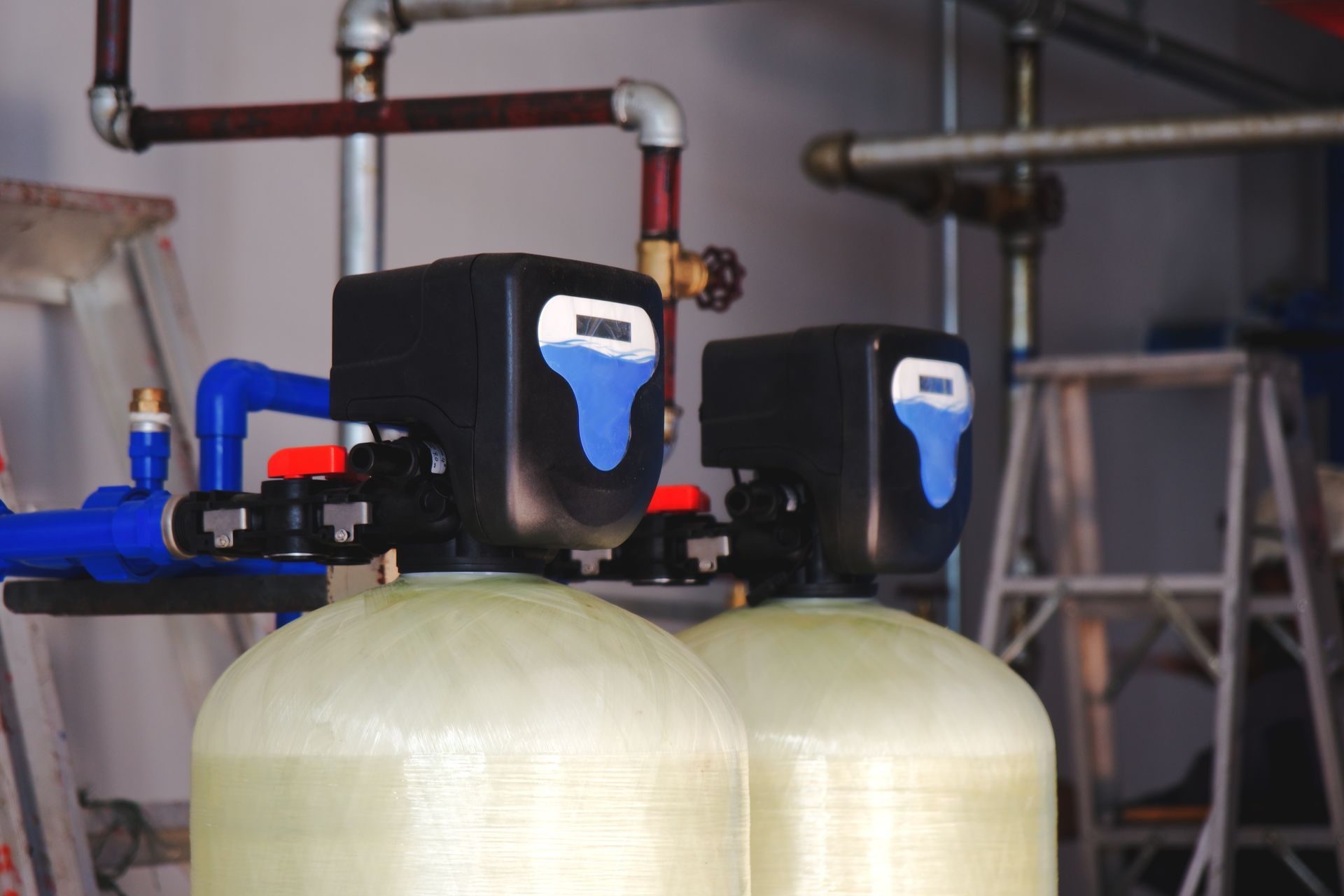
A whole-home filtration system connects to your main water line and filters every tap, shower, and appliance in the house. It targets chloramines, sediment, discoloration, and chemical compounds — the contaminants most Tampa homeowners notice in taste and odor. Carbon filtration is the most common type and is highly effective at removing chloramines, which Tampa Bay Water uses as its primary disinfectant. Filtration does not meaningfully reduce hardness minerals; it is not a softener substitute.
Water Softener
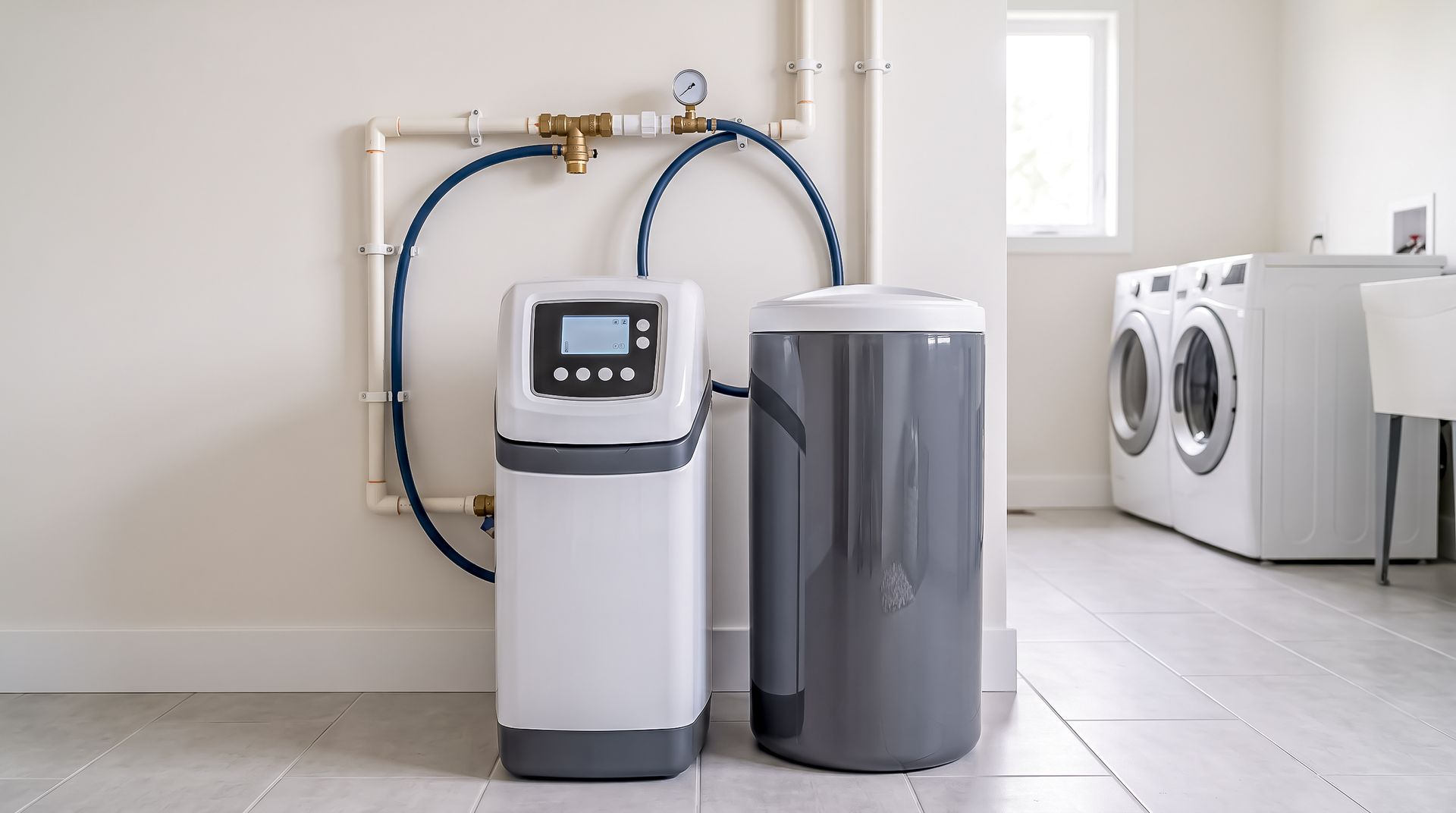
A water softener specifically targets calcium and magnesium — the minerals that cause hard water. Through an ion exchange process, it replaces those minerals with sodium ions, delivering genuinely soft water to every fixture and appliance. This is the right solution for scale buildup, appliance wear, stiff laundry, and dry skin. A softener does not remove chloramines, lead, nitrates, or other chemical contaminants, that is filtration territory.
Reverse Osmosis (RO)
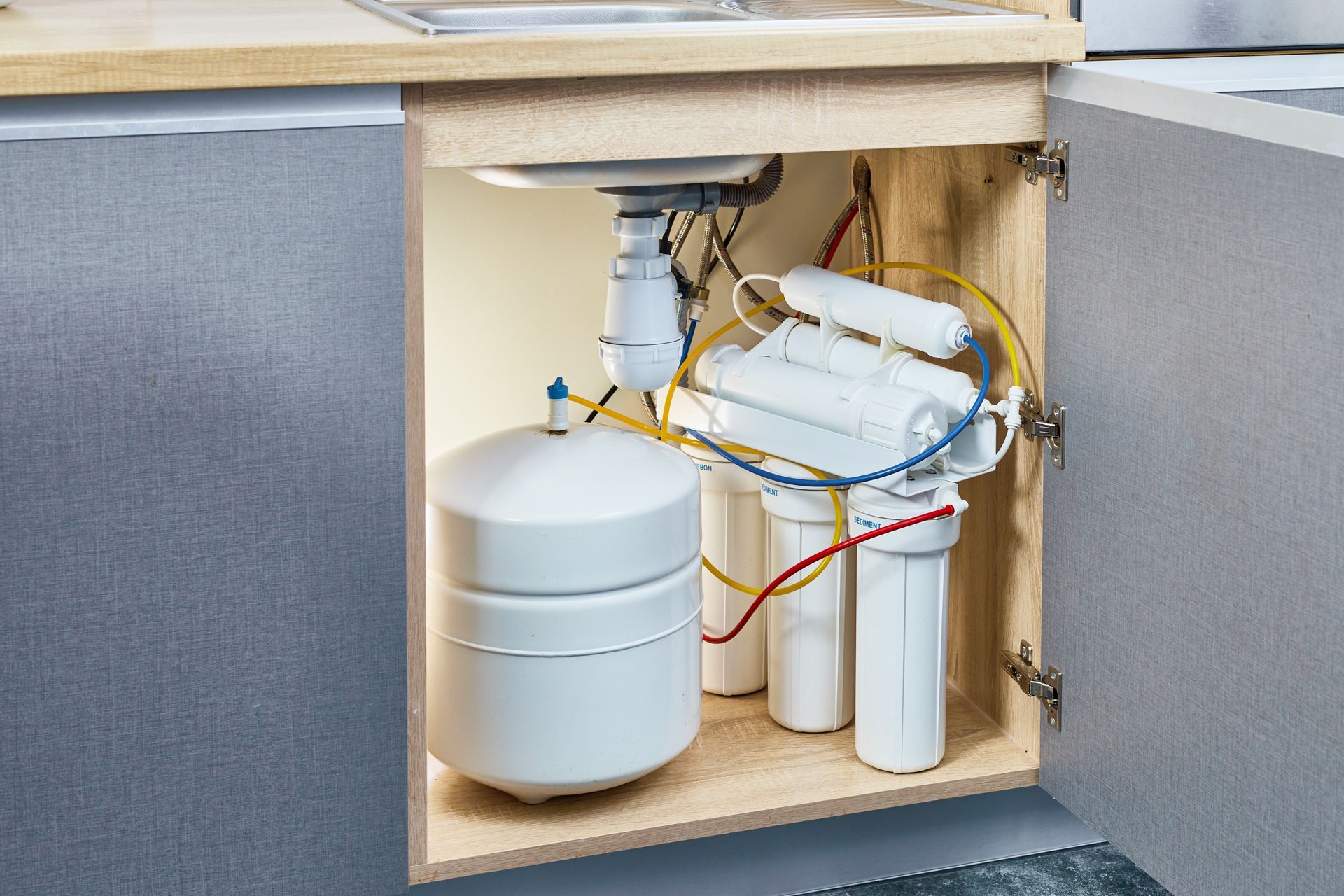
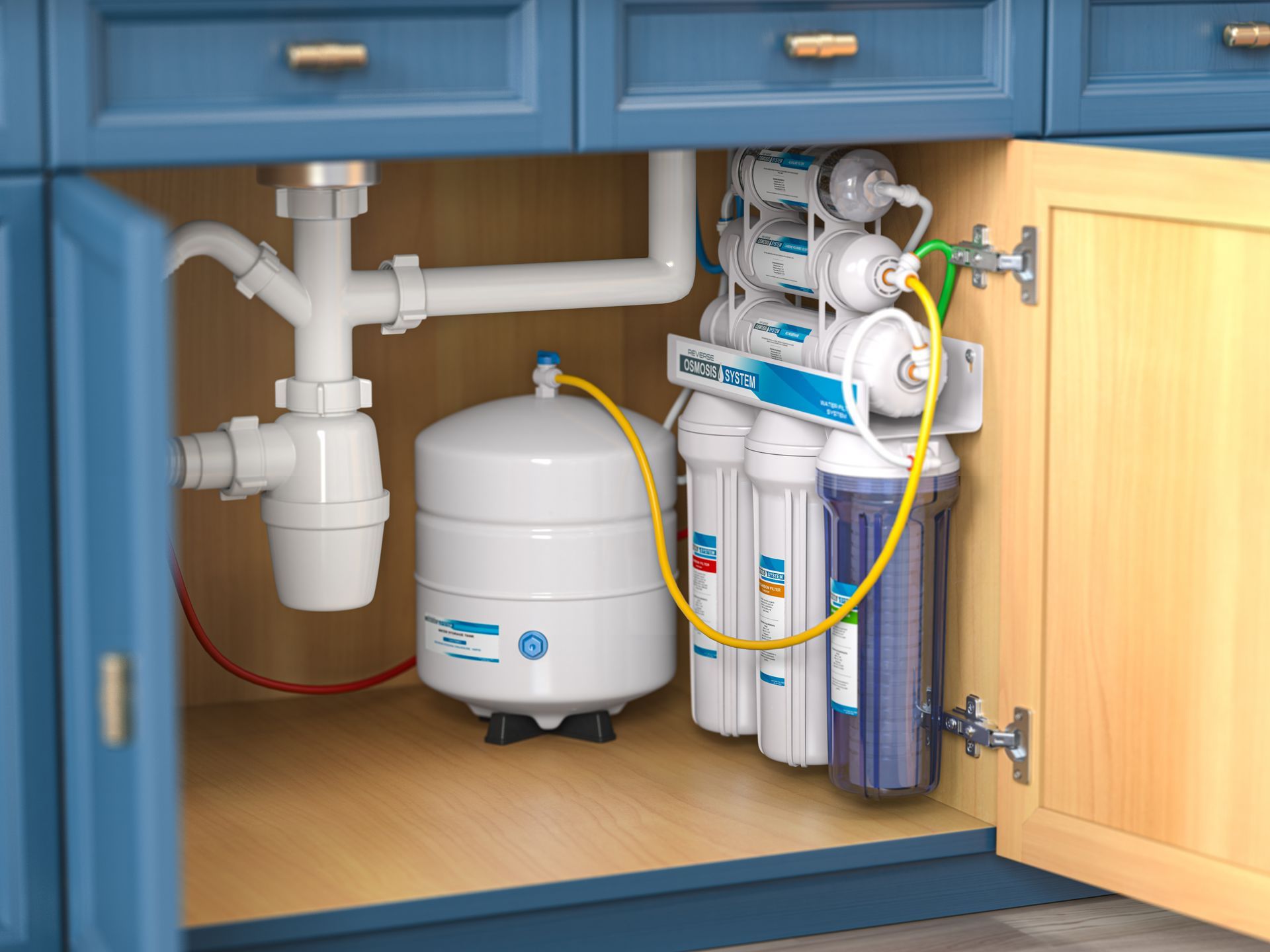
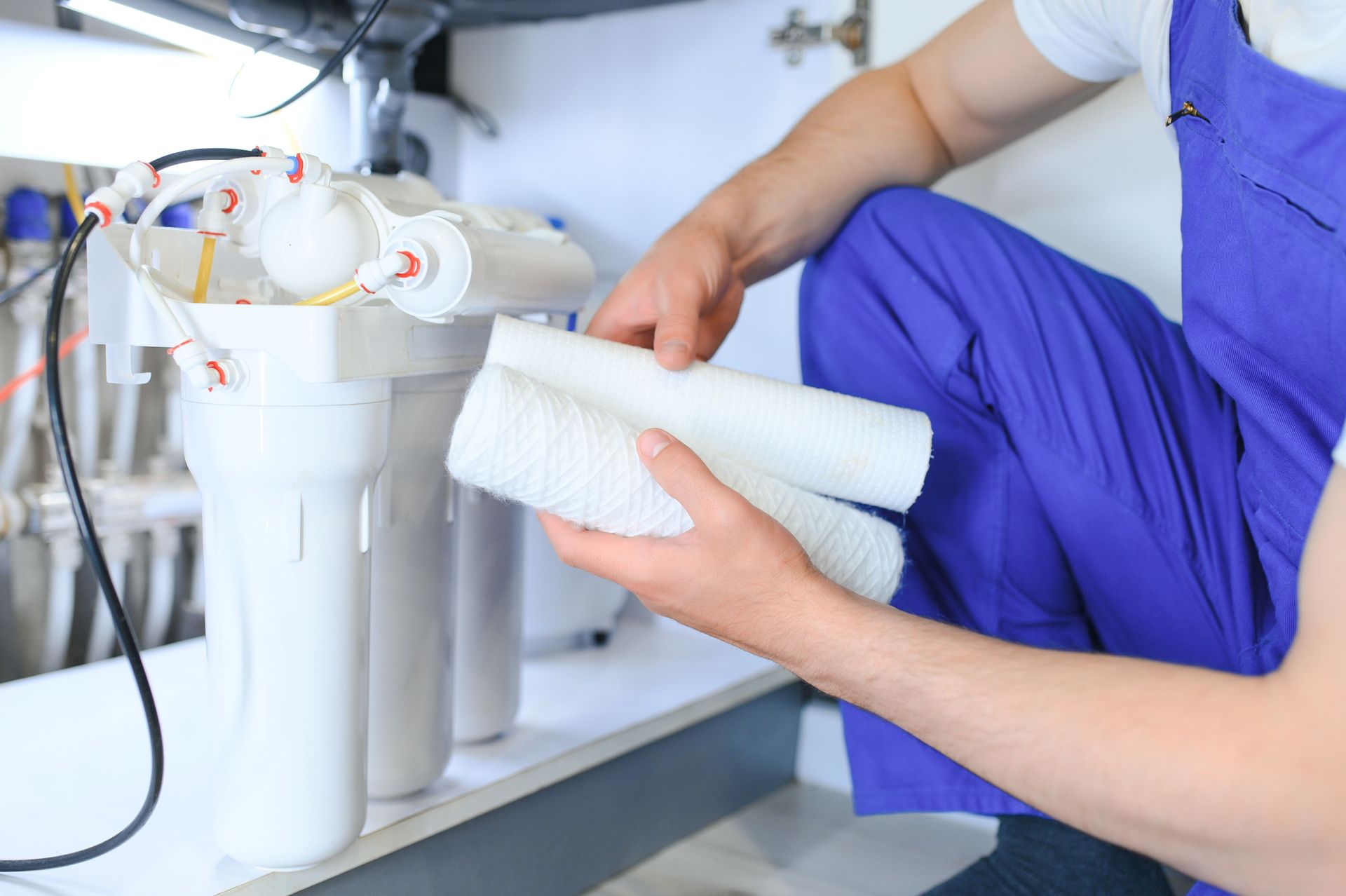
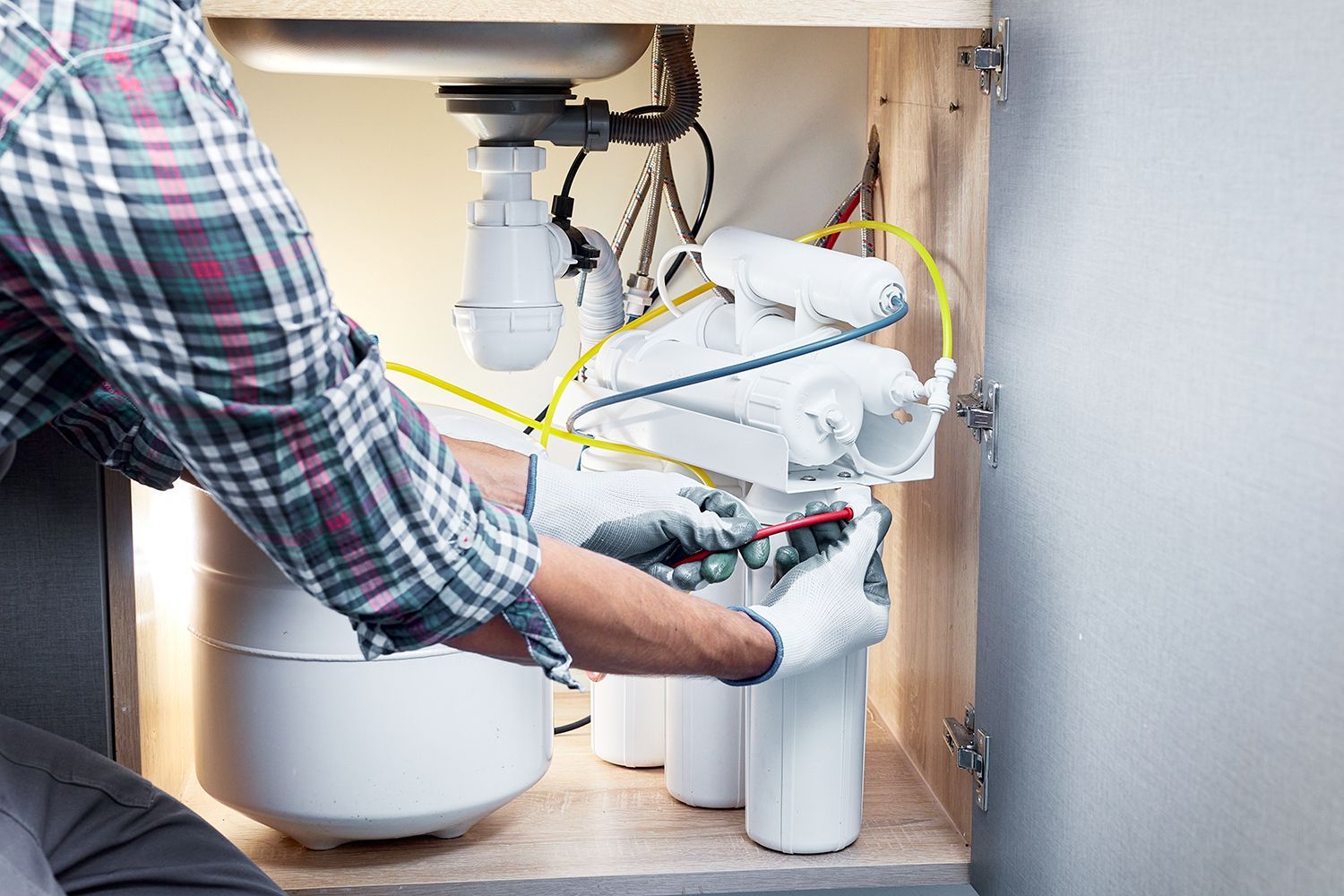
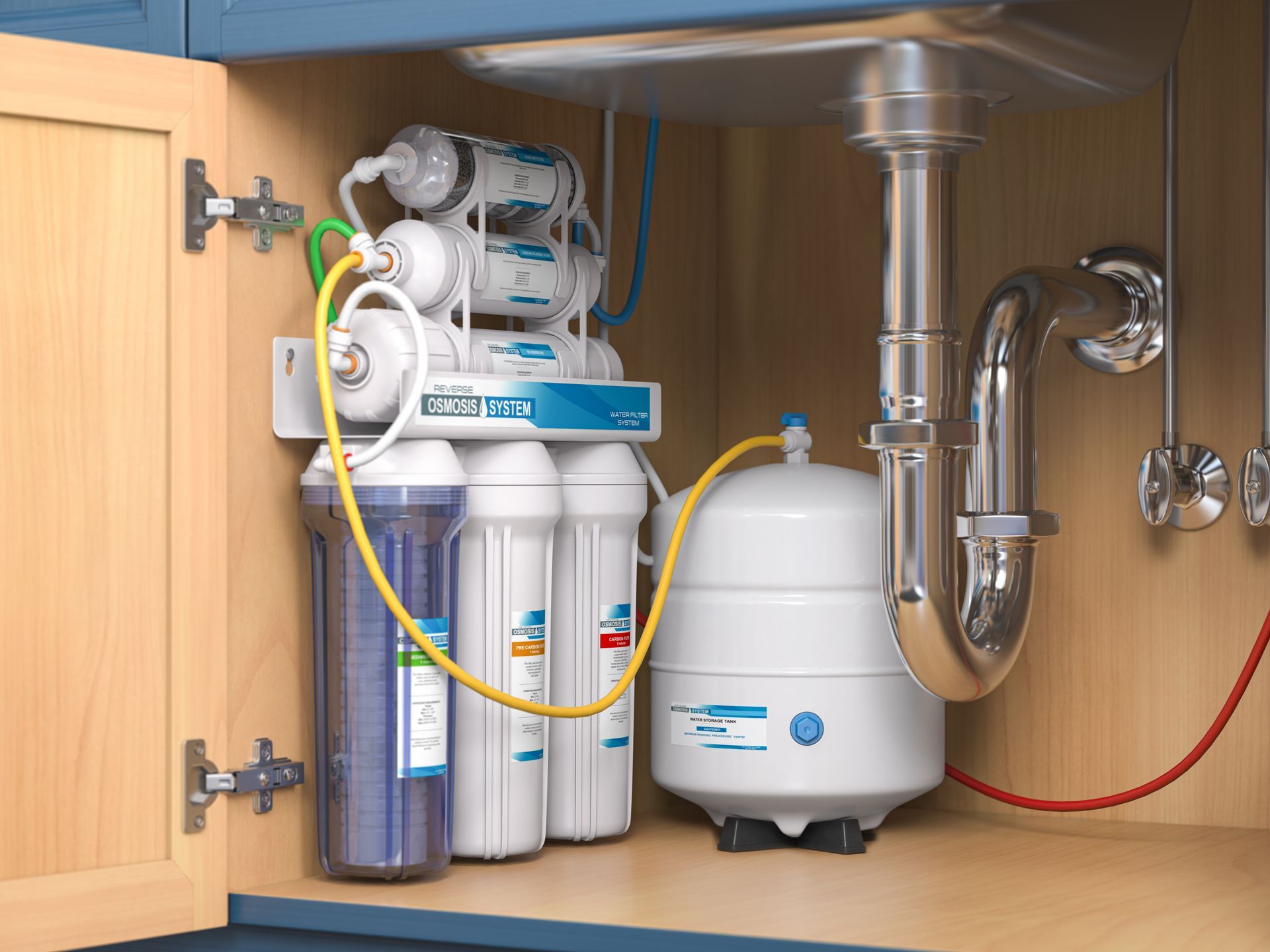
A reverse osmosis system forces water through a semi-permeable membrane at the molecular level, removing dissolved solids, heavy metals, nitrates, fluoride, and disinfection by-products. It produces the purest possible drinking water and is installed as a point-of-use system — typically under the kitchen sink with a dedicated tap and refrigerator line. RO treats only the water you drink and cook with, not the water throughout the whole house.
Side-by-Side Comparison: Filtration vs. Softener vs. RO
| Home Filtration | Water Softener | Reverse Osmosis | |
|---|---|---|---|
| Primary purpose | Removes chloramines, sediment, chemicals from all household water | Removes calcium & magnesium — the hardness minerals causing scale | Ultra-pure drinking water at a point-of-use tap; filters dissolved solids to near-zero |
| Best for | Chemical taste/odor, sediment, broad water quality improvement | Scale buildup, appliance wear, dry skin, stiff laundry | Drinking & cooking; removing lead, nitrates, fluoride, disinfection by-products |
| Coverage | Whole house — every tap, shower, appliance | Whole house — all water-using fixtures and appliances | Point of use — one kitchen tap + refrigerator line |
| Tampa-specific problem solved | Chloramine taste/odor, sediment, discoloration | 10–15 GPG hardness — scale, spotting, appliance wear | Trace contaminants, ultra-pure drinking water |
| Can combine? | Yes — pairs with softener for hardness + chemical removal | Yes — pairs with filtration or RO for complete coverage | Yes — pairs with softener for whole-home + pure drinking water |
Note: these three systems are not mutually exclusive. Many Tampa Bay homeowners combine a water softener (for whole-home hardness protection) with an RO system (for ultra-pure drinking water) addressing both problems completely.
Which System Does Your Tampa Home Actually Need?
The right answer depends on your primary water complaint. Here is a straightforward guide:
- Your water tastes or smells like chemicals (chlorine, musty, or "pool-like"): → whole-home filtration
- You have scale on fixtures, appliances are wearing out, or your skin feels dry after showers: → water softener
- You want the cleanest possible drinking and cooking water, or have concerns about lead or nitrates: → reverse osmosis system
- You have multiple concerns — taste issues AND hardness AND drinking water quality: → softener + RO, or filtration + softener
Most Tampa Bay homes benefit most from a water softener paired with an RO drinking water system. The softener handles the 10–15 GPG hardness throughout the house; the RO system handles chloramines and dissolved solids at the kitchen tap. This combination covers both the most common Tampa water problems at a reasonable cost.
Why Tampa's Water Makes This Decision Different
Tampa Bay's hard water at 10–15 grains per gallon is among the highest in Florida, significantly harder than Miami (4–7 GPG), Jacksonville (3–5 GPG), or Orlando (7–10 GPG). This hardness level means a water softener is not optional for most Tampa homeowners who want to protect their plumbing and appliances, it is practical maintenance.
At the same time, Tampa Bay Water's use of chloramines as a disinfectant creates a taste and odor issue that hardness alone does not explain. Standard pitcher filters and refrigerator filters are often not effective at removing chloramines, they are designed for free chlorine. A carbon-based whole-home filtration system or an under-sink RO system addresses chloramines properly.
Not sure which system is right for your Tampa Bay home?
Florida Water Treatment offers free in-home water tests for homeowners across Tampa, Clearwater, and Hillsborough County. We test for hardness, chloramines, iron, pH, and more — then recommend the right system or combination for your specific results. No guesswork, no upselling.
Explore our services: Home water filtration installation in Tampa, FL · Water softener installation in Tampa, FL · Reverse osmosis system installation in Clearwater, FL · Call 813-224-9620 (Tampa) · 727-736-2747 (Clearwater)
Frequently Asked Questions
Do I need a water softener AND a filtration system in Tampa?
Not necessarily — but many Tampa homeowners find that a combination works best. A water softener addresses hardness (Tampa's 10–15 GPG mineral load) while a whole-home filtration system or under-sink RO addresses chloramine taste and odor. If your primary complaint is scale and appliance wear, start with a softener. If your primary complaint is taste and odor, start with filtration. If you have both concerns — which is common in Tampa — the combination is the most complete solution. Florida Water Treatment recommends the right path after a free water test rather than a default package.
Can a reverse osmosis system replace a water softener for Tampa homes?
An under-sink RO system removes hardness minerals from the water at the kitchen tap, so the drinking water it produces will be soft and pure. However, RO does not treat the water running through the rest of your home — your showers, washing machine, dishwasher, and water heater still receive Tampa's 10–15 GPG hard water. For whole-home protection against scale, appliance wear, and plumbing damage, a dedicated water softener is the appropriate solution. RO and softeners solve different problems at different points in the home — they are complementary, not interchangeable.