Is Clearwater Tap Water Safe? What Pinellas County Homeowners Should Know
The short answer is yes; Clearwater tap water is legal to drink. Pinellas County Utilities treats its supply to meet every standard set by the EPA's Safe Drinking Water Act, and annual water quality reports confirm the water leaving the treatment plant is within compliance on all regulated contaminants. But there is a meaningful difference between water that meets regulatory minimums and water that is genuinely pure. If you have ever noticed a faint chemical smell from your tap, spotted white scale on your faucets, or wondered what else is quietly present at levels too low to regulate, this guide is for you.
Where Does Clearwater's Water Come From?
Clearwater's municipal water is supplied by Pinellas County Utilities, which is drawn from a mix of groundwater (the Floridan Aquifer) and surface water sources. The water is treated at the county's water treatment facilities before being distributed to homes and businesses across Clearwater, Dunedin, Safety Harbor, Palm Harbor, and surrounding areas.
To disinfect the water and keep it safe as it travels through the distribution network, Pinellas County uses monochloramines, a combination of chlorine and ammonia. Monochloramines are more stable than free chlorine, which means they stay active longer in the pipes. The downside: they are harder to remove at home and can leave a persistent chemical taste and odor that many residents notice at the tap, in their coffee, or while showering.
What Is Actually in Clearwater Tap Water?
Compliant does not mean contaminant-free. Clearwater water regularly contains several substances that are present within legal limits but that many homeowners prefer to remove from their drinking and cooking water:
| Contaminant / Substance | Source | Why It Matters |
|---|---|---|
| Monochloramines | Disinfectant | Chemical taste and odor; can form disinfection by-products; harder to remove than free chlorine |
| Calcium / Magnesium | Hard water minerals | Scale buildup on fixtures and inside appliances; dry skin and hair; reduces appliance efficiency |
| Disinfection By-Products | Treatment residuals | Formed when chloramines react with organic matter; some are regulated but present at trace levels |
| Fluoride | Added for dental health | Present at regulated levels; removed by RO for those who prefer non-fluoridated drinking water |
| Lead (older homes) | Plumbing leach | Enters water from older lead service lines or fixtures; no safe level established; RO removes effectively |
| Nitrates | Agricultural / runoff | Can enter groundwater from fertilizer runoff; concern for infants and pregnant women at higher levels |
The most significant of these for Clearwater homeowners is the hardness level. Pinellas County water typically measures between 12 and 16 grains per gallon, at the very hard end of the scale. That is the calcium and magnesium responsible for the white crust around your showerhead, the spots on your glassware, and the scale quietly building up inside your water heater year after year.
What Does Reverse Osmosis Actually Remove?
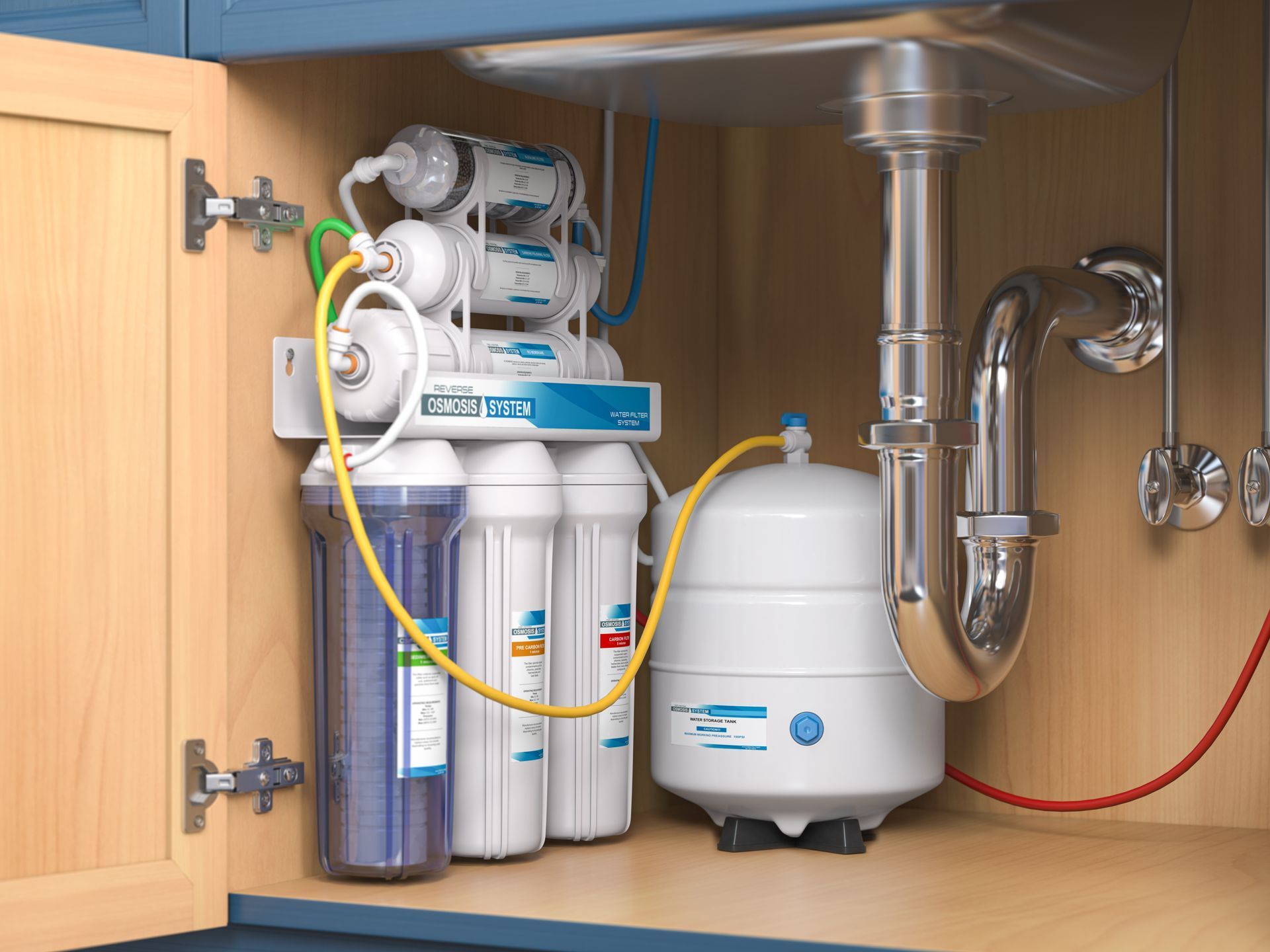
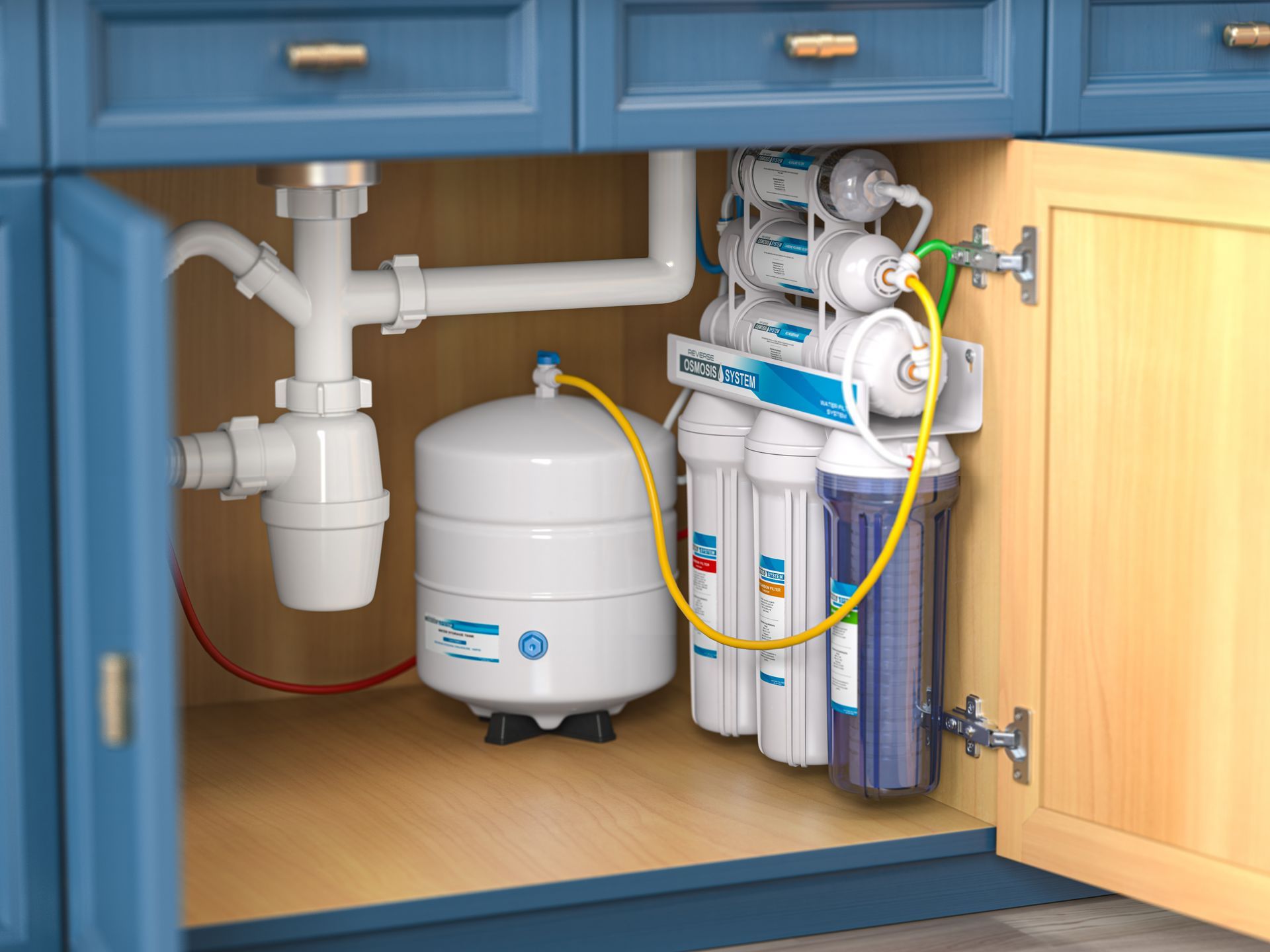
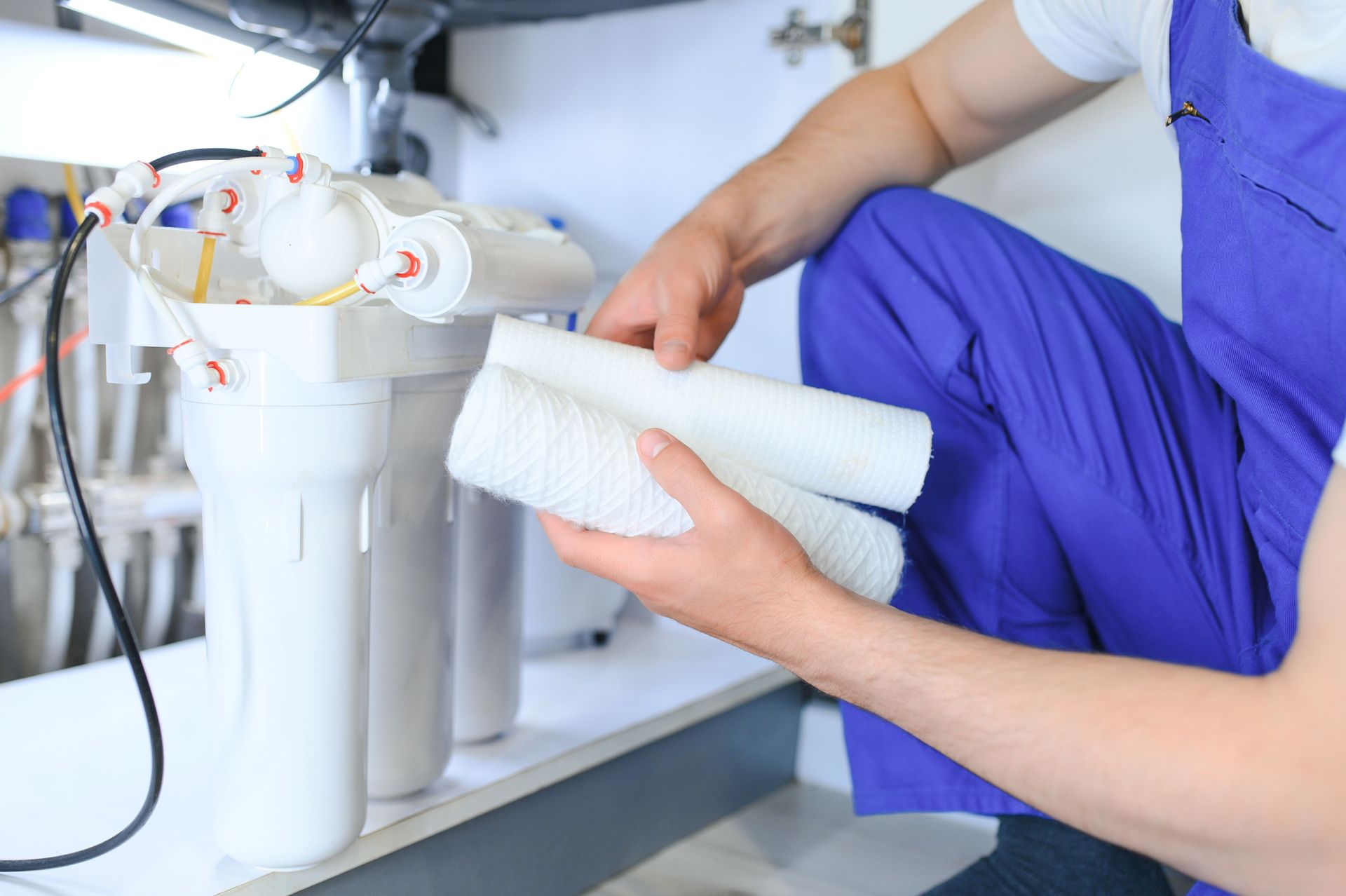
A reverse osmosis system forces water through a semi-permeable membrane with pores small enough to block dissolved solids, heavy metals, and chemical compounds that standard filters miss. For Clearwater homeowners, the key contaminants removed include:
- Monochloramines and chlorine by-products — the primary source of chemical taste and odor in Pinellas County water
- Dissolved hardness minerals — calcium and magnesium that cause scale on fixtures and inside appliances
- Lead and heavy metals — leached from older plumbing; RO membranes remove up to 99% effectively
- Fluoride, nitrates, and disinfection by-products — regulated but present; removed for those who want ultra-pure drinking water
- Bacteria and cysts — while Clearwater water is treated, RO adds a final barrier at the point of use
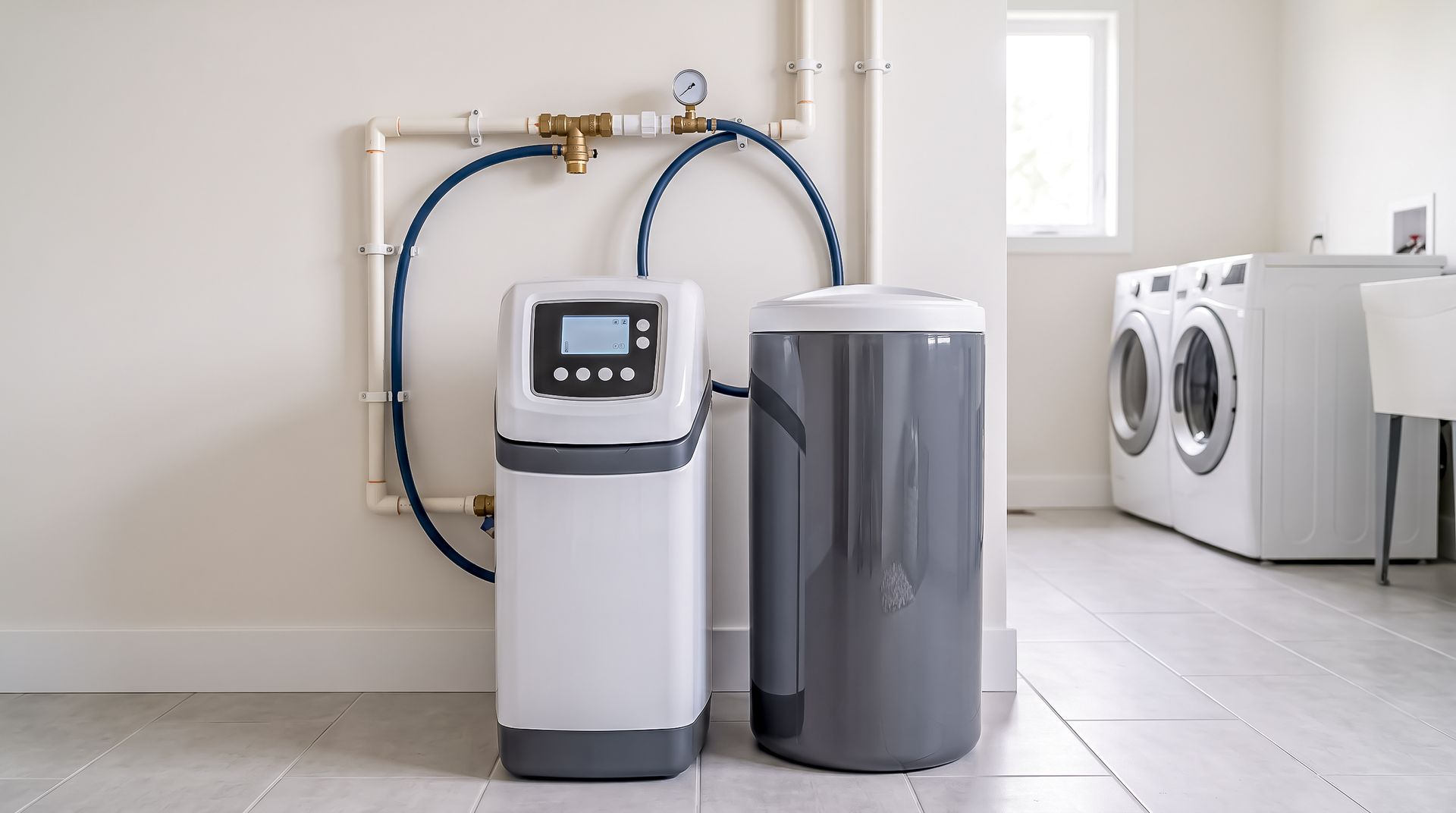
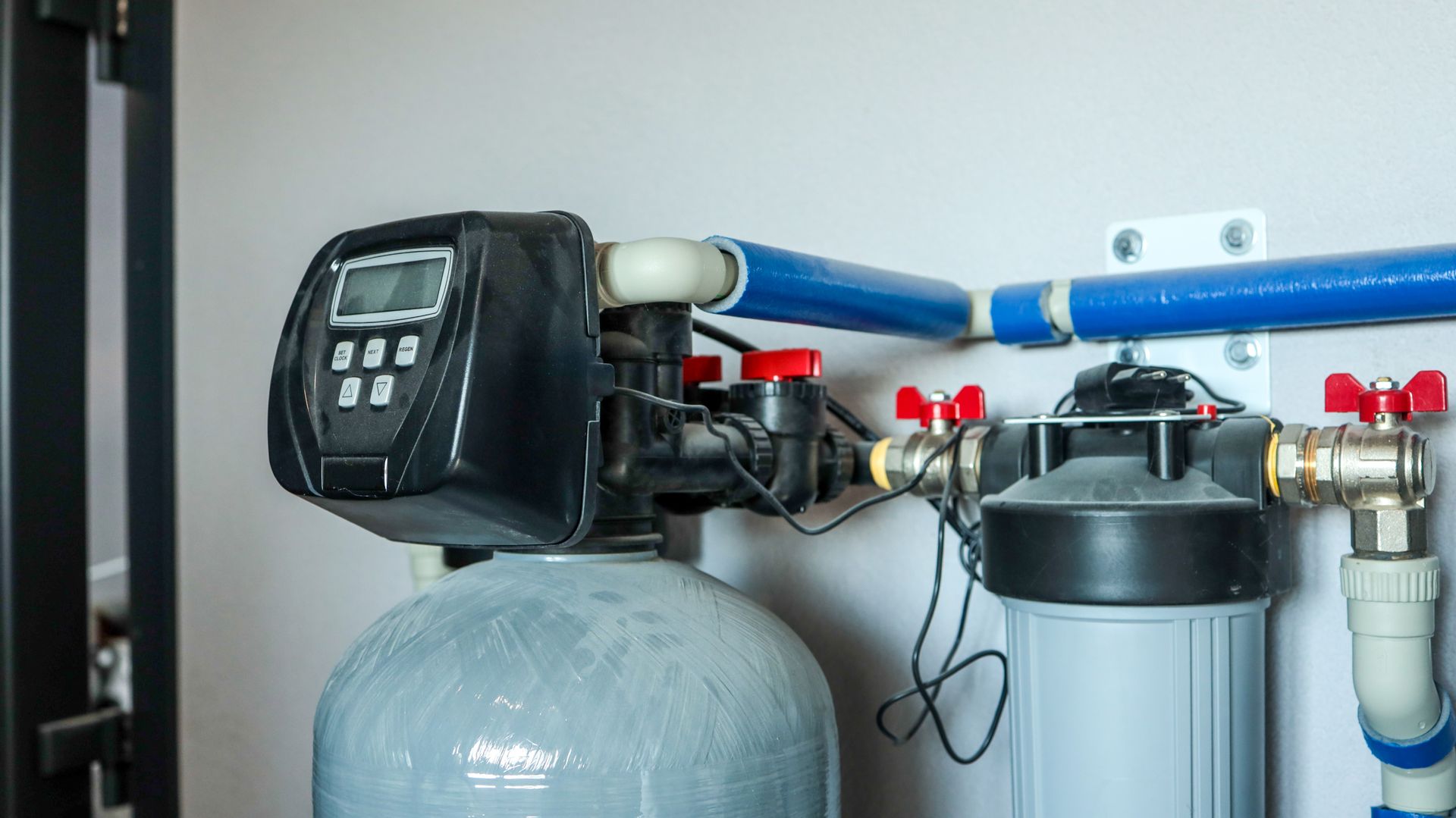
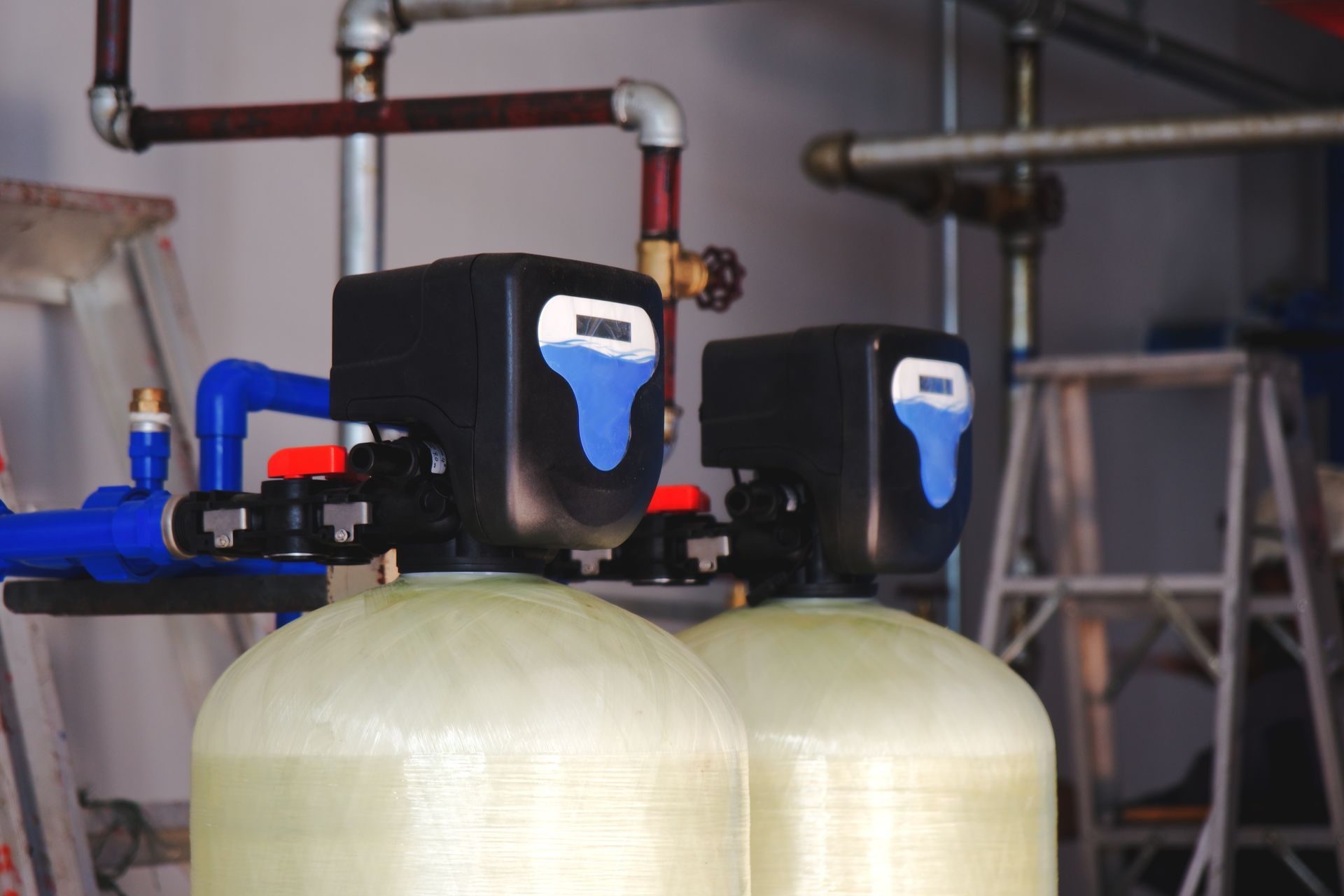
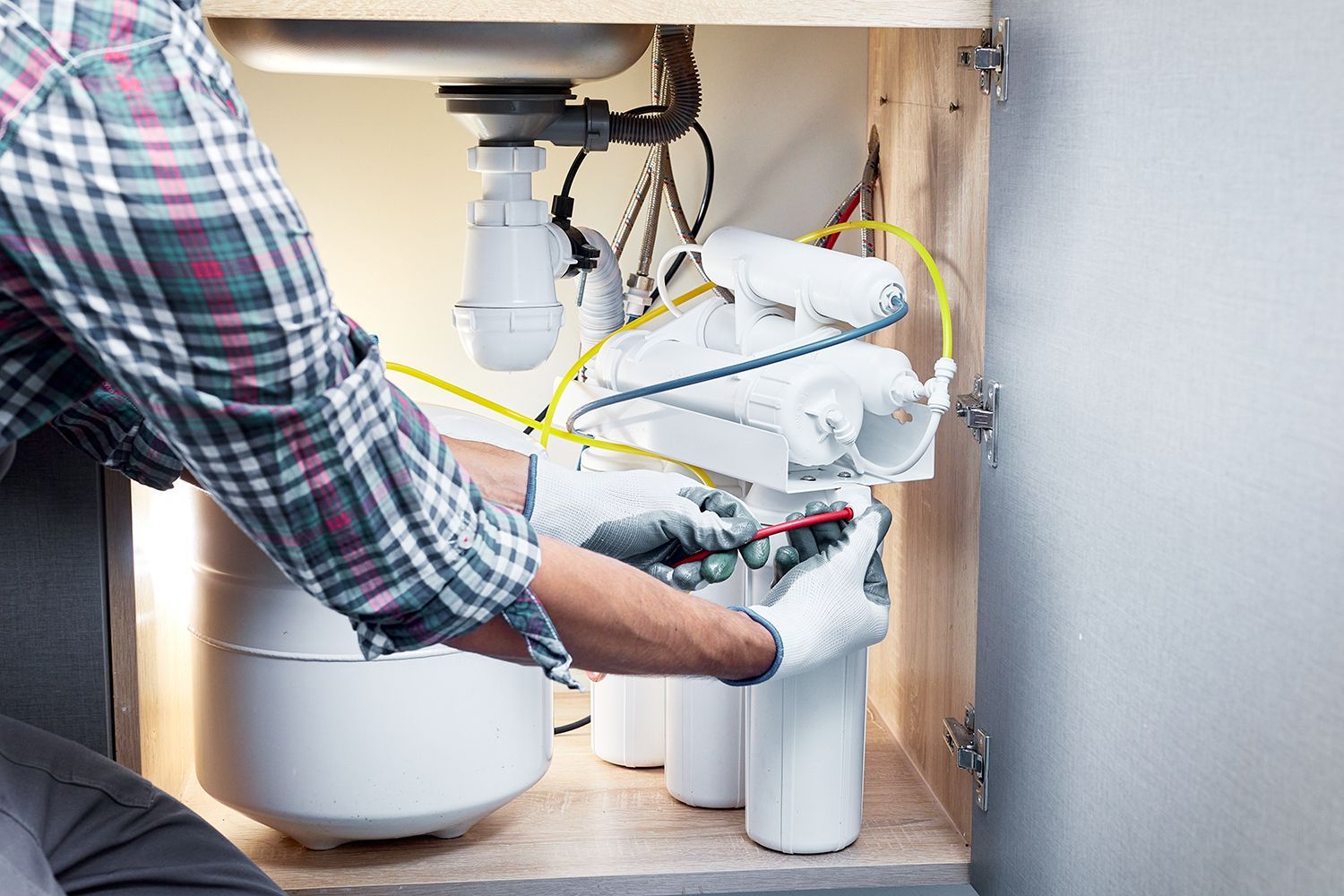
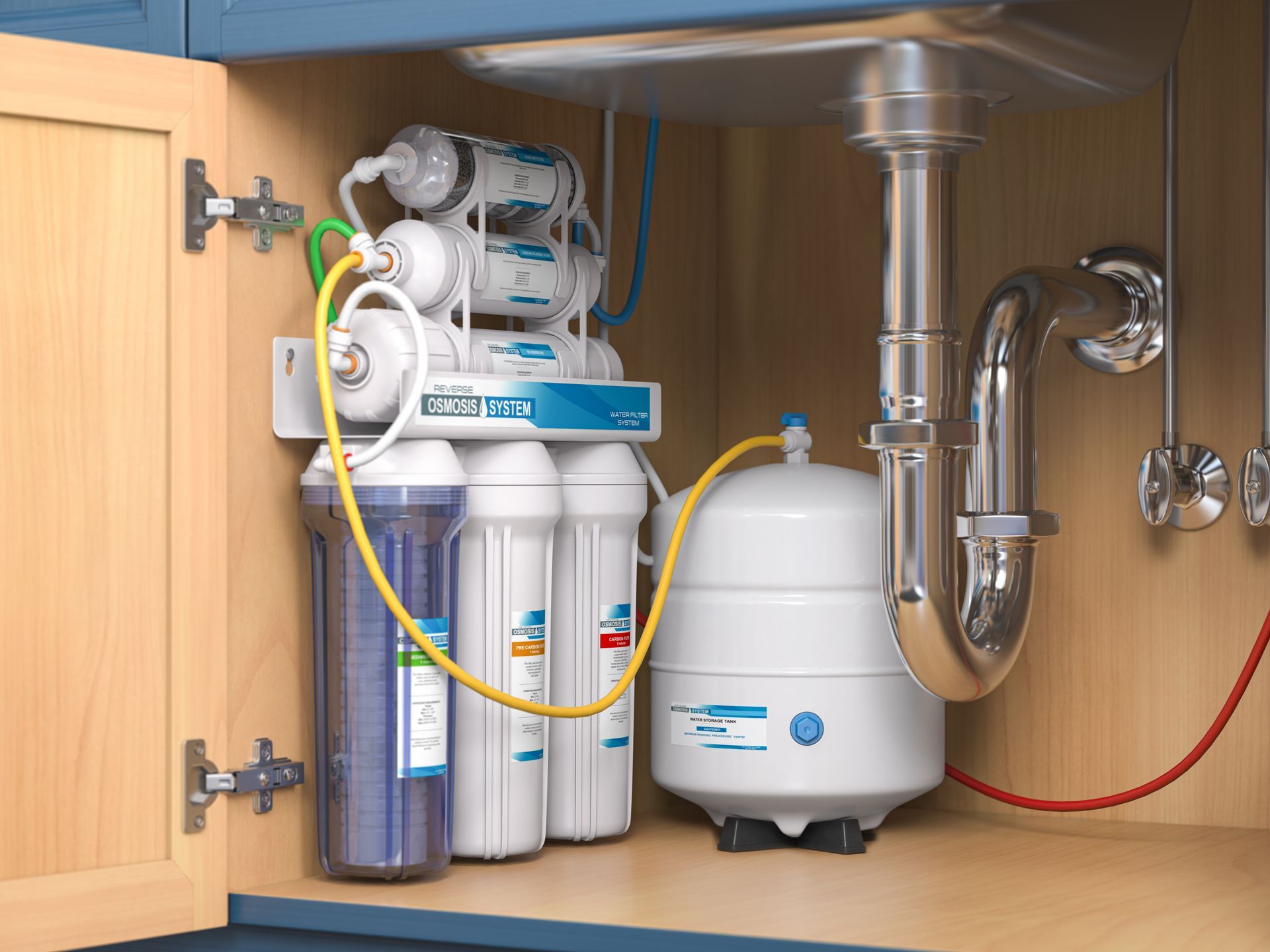
An RO system is typically installed as a point-of-use system, most commonly under the kitchen sink with a dedicated tap, and connected to the refrigerator water line. It treats only the water you drink and cook with, rather than all the water entering the home. For scale protection throughout the home, many Pinellas County homeowners pair an RO system with a whole-home water softener.
Is Reverse Osmosis Right for Your Clearwater Home?
An RO system makes the most sense if any of these apply to you:
- You notice a chemical taste or odor in your Clearwater tap water
- You have an infant, are pregnant, or have a household member with a compromised immune system
- Your home has older plumbing that may contain lead service lines or lead-containing solder
- You spend money on bottled water and want a cleaner, cheaper, longer-term solution
- You want the cleanest possible water for drinking and cooking without relying on municipal treatment alone
Florida Water Treatment installs and maintains reverse osmosis systems throughout Clearwater and Pinellas County. We start every job with a free in-home water test so you see exactly what is in your water before deciding on a system. Our reverse osmosis system installation in Clearwater, FL page covers the full range of systems we install, from under-sink units to whole-home configurations.
Want purer drinking water in your Clearwater home?
Florida Water Treatment installs reverse osmosis systems throughout Clearwater, Dunedin, Safety Harbor, Palm Harbor, and all of Pinellas County. Every installation starts with a free water test so you know exactly what you are removing.
Frequently Asked Questions
Does Clearwater tap water have chlorine in it?
Clearwater and Pinellas County use monochloramines rather than free chlorine as their primary disinfectant. Monochloramines are a blend of chlorine and ammonia that stay active longer in the distribution system. They are effective at preventing bacterial growth in the pipes but are harder to remove with standard pitcher or carbon filters, and they are a common cause of the chemical taste and odor Clearwater residents’ notice. Reverse osmosis removes monochloramines effectively; a standard carbon filter alone often does not.
Will a reverse osmosis system remove the hardness from my Clearwater water?
Yes, an RO membrane removes dissolved calcium and magnesium, which are the minerals responsible for hard water. Clearwater water is among the hardest in Florida at 12 to 16 grains per gallon, so an RO system at your kitchen tap will deliver noticeably softer, better-tasting drinking water. That said, an under-sink RO system only treats the water at that specific tap, it does not protect your pipes, appliances, showerheads, and fixtures throughout the home. For whole-home scale protection, many Clearwater homeowners pair an RO system with a water softener installation.