Is Tampa Tap Water Safe to Drink? What Homeowners Should Know in 2026
The short answer is yes — Tampa tap water is legal to drink. Tampa Bay Water treats the municipal supply to meet every EPA Safe Drinking Water Act standard, and annual water quality reports confirm compliance on all regulated contaminants. But there is a meaningful gap between water that meets regulatory minimums and water that is genuinely pure and many Tampa homeowners feel that gap every time they fill a glass at the kitchen tap.
Understanding what is actually in your water, and why "meets EPA standards" does not mean "perfectly clean," is the first step to deciding whether your family needs additional filtration.
Where Tampa's Water Comes From
Tampa's municipal water is supplied by Tampa Bay Water, one of the largest regional water utilities in Florida. The supply is drawn from a mix of surface water, groundwater from the Floridan Aquifer, and desalination from a facility in Apollo Beach. All three sources are blended and treated before distribution. To keep the water safe as it travels through hundreds of miles of pipes to your tap, Tampa Bay Water uses monochloramines — a blend of chlorine and ammonia — as a disinfectant. This is the most common source of the chemical taste and odor Tampa residents’ notice.
What the Testing Actually Shows
Tampa Bay Water publishes an annual Consumer Confidence Report. Here is what the current testing shows is present in the water — at levels that meet regulatory limits, but that many homeowners choose to filter out anyway:
| What's in Tampa Water | Source | Why It Matters |
|---|---|---|
| Lead | Old plumbing/fixtures | No safe level established; enters water after treatment via older service lines or solder |
| Disinfection By-Products | Treatment reaction | Formed when chloramines react with organic matter; regulated but present at trace levels |
| PFAS (trace) | Industrial/environmental | Emerging concern in Florida groundwater; not yet universally regulated at tap |
| Hardness minerals | Limestone geology | 10–15 GPG calcium and magnesium; not a health risk but damages plumbing and appliances |
| Nitrates | Agricultural runoff | Can enter groundwater; concern for infants and pregnant women at elevated levels |
The key takeaway is that "meets standards" is not the same as "free of these substances." Regulatory limits set a legal floor, not a purity standard. A substance can be present at a detectable level and still be considered compliant. For most healthy adults, Tampa tap water at regulated levels poses no acute health risk. For infants, pregnant women, and people with compromised immune systems, the calculus is different.
The Chloramine Problem Tampa Homeowners Notice Most
Of all the substances in Tampa's water, monochloramines generate the most homeowner complaints and the most confusion about how to remove them. Unlike free chlorine, which dissipates within minutes of sitting in a glass, chloramines are stable compounds that persist through the entire distribution system. This makes them more effective as a disinfectant but harder to remove at home.
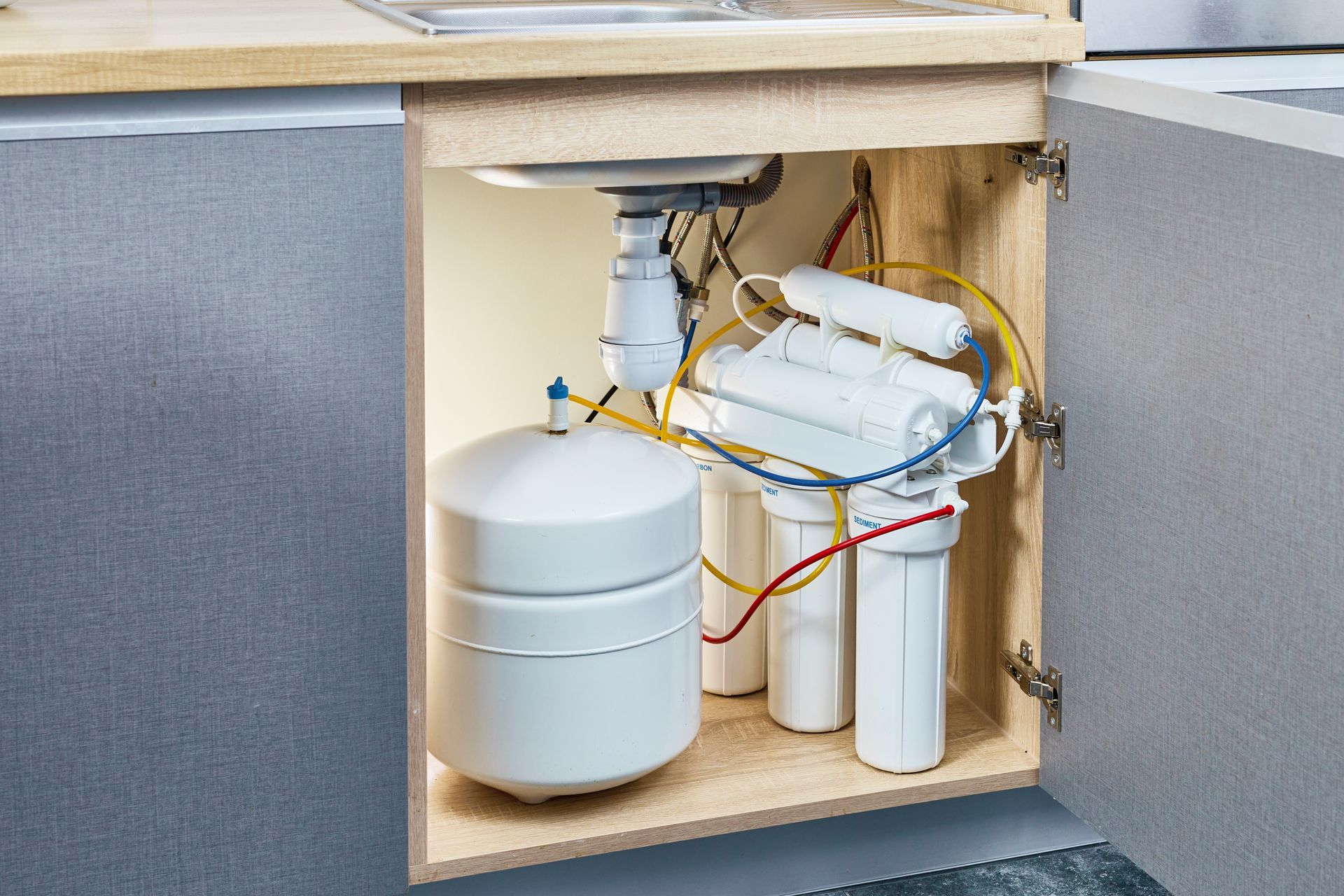
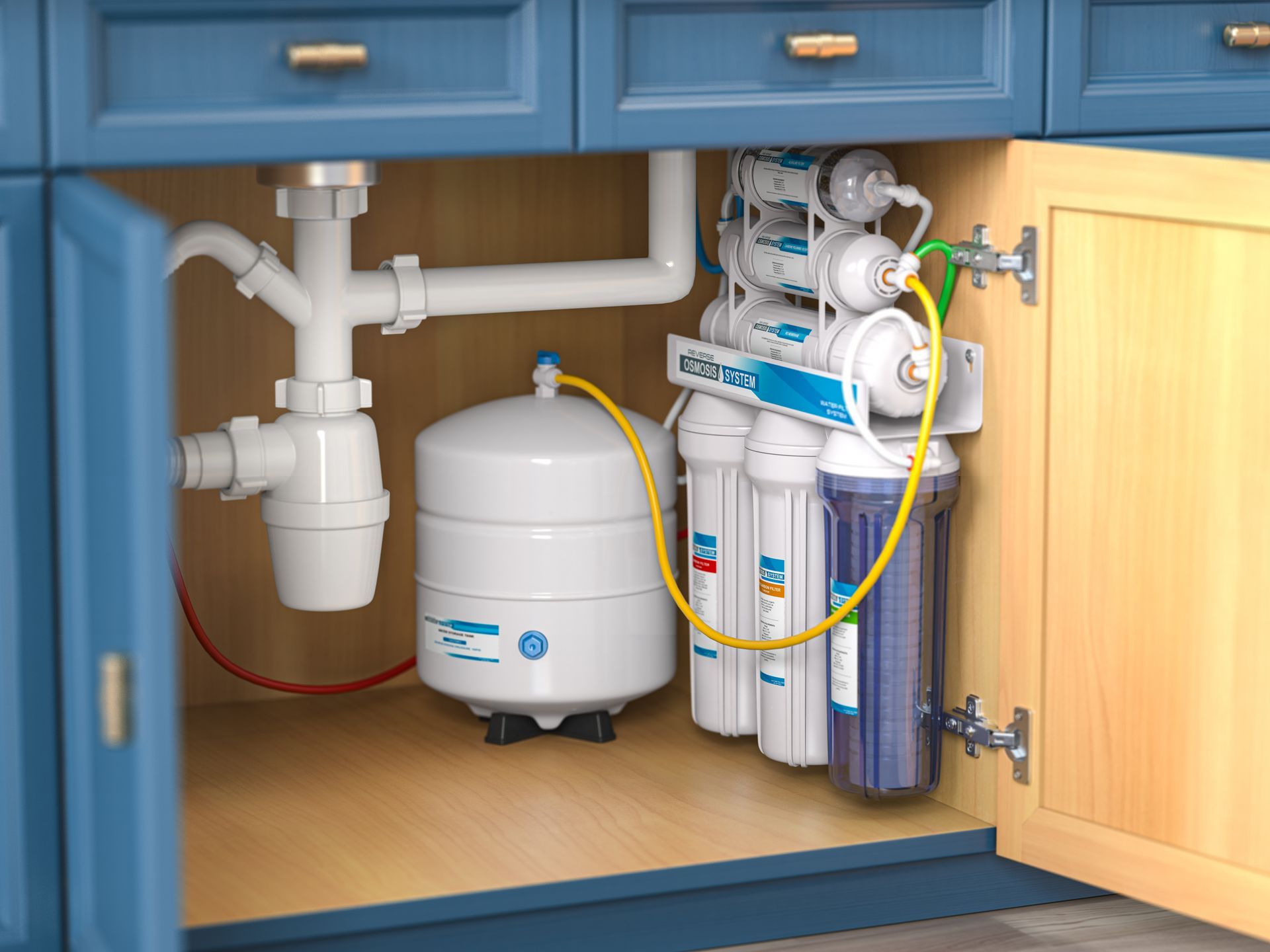
Standard refrigerator filters and most pitcher filters are designed for free chlorine. They are often not effective against chloramines. If you have been filtering your water and still notice a chemical taste, this is almost certainly why. Carbon block filters and reverse osmosis membranes are the two approaches that effectively remove chloramines.
What About Lead in Tampa Tap Water?
Tampa Bay Water's treatment plant delivers lead-free water. The risk enters at your plumbing — specifically older service lines, internal pipes, and fittings that may contain lead-based solder. Homes built before 1986 are most at risk. Tampa Bay Water conducts regular lead testing under the EPA's Lead and Copper Rule, and the system-wide average is within compliance. However, individual homes with older plumbing can still experience higher lead levels at the tap than the system-wide average reflects. A point-of-use reverse osmosis system removes lead effectively; a whole-home carbon filter does not.
Do You Need a Home Filtration System in Tampa?
The answer depends on your priorities and household. If you:
- Regularly notice a chemical taste or odor from the tap
- Have an infant, are pregnant, or have a family member with a compromised immune system
- Live in a home built before 1986 with original plumbing
- Prefer not to rely on bottled water as a long-term drinking water solution
- Want a complete answer to both the chemical and hardness issues in Tampa's supply
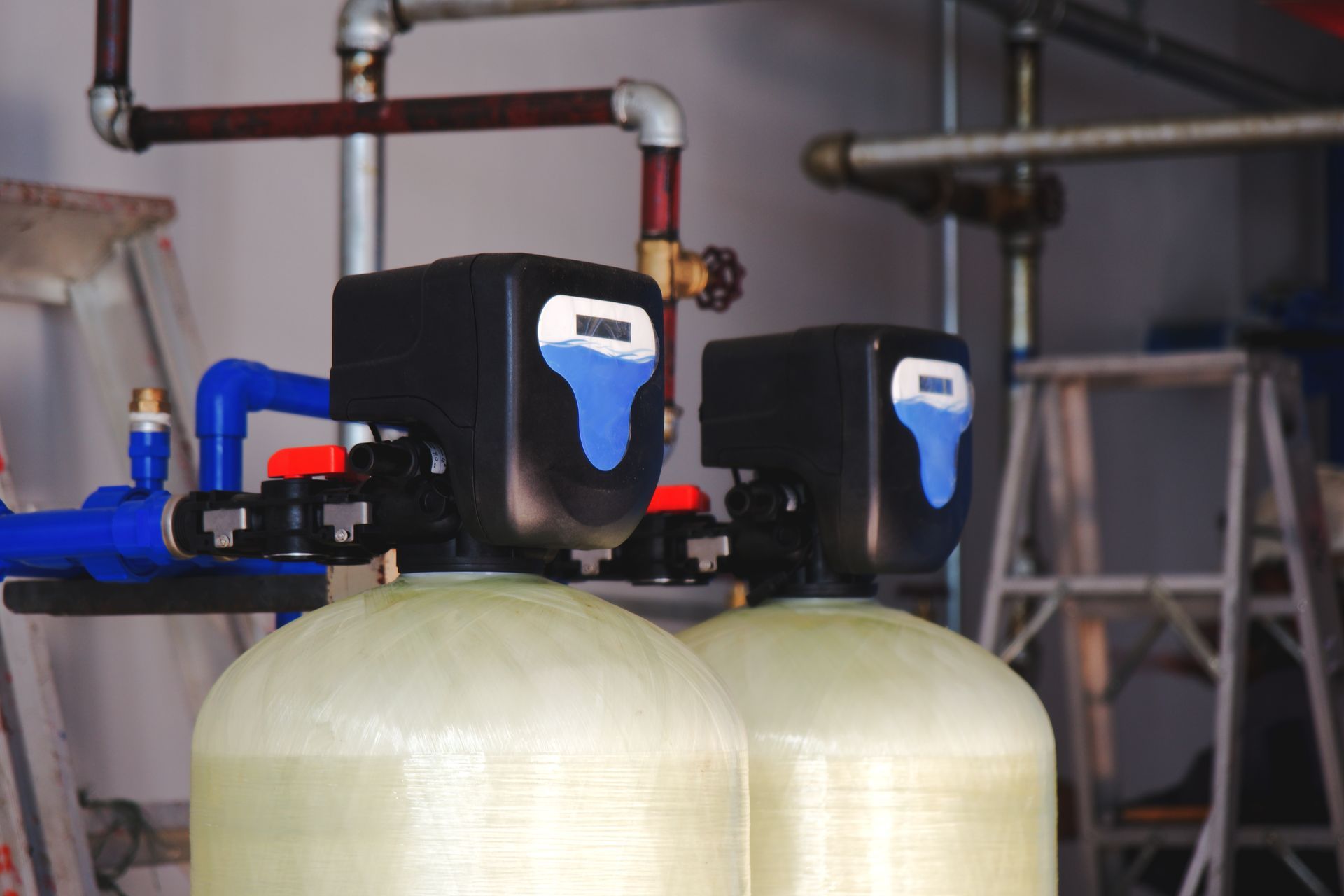
…then a professional home water filtration system installation in Tampa, FL is worth a serious look. The right system depends on your specific water test results — not a one-size-fits-all product.
Free water test for Tampa homeowners — know exactly what is in your water.
Florida Water Treatment tests for chloramines, lead, hardness, pH, iron, and more — free, with no obligation. Call 813-224-9620 or visit flawatertreatment.com/home-water-filtration-system-installation-tampa-fl.
Frequently Asked Questions
Is Tampa tap water safe for babies and infants?
Tampa tap water meets EPA standards for adults, but the EPA and pediatric health organizations recommend that infants under six months should not drink unfiltered tap water containing lead or nitrates above certain thresholds. Tampa's system-wide levels are within compliance, but homes with older plumbing may have elevated lead at the tap. For infant formula preparation, a reverse osmosis filter or a certified lead-removal filter installed at the kitchen tap is the safest approach. Florida Water Treatment can test your specific tap water and recommend the appropriate filter for your home.
Does a Brita or standard pitcher filter remove chloramines from Tampa water?
Standard activated carbon pitcher filters like Brita are certified to reduce free chlorine and some contaminants, but they are generally not certified for chloramine reduction. Tampa Bay Water uses chloramines rather than free chlorine, which means a standard pitcher filter may produce little or no improvement in taste and odor for Tampa homeowners. Carbon block filters and reverse osmosis systems are the two technologies that effectively address chloramines. If you have been using a pitcher filter and still notice a chemical taste, chloramines are almost certainly the reason.