Moving to Tampa? Here's What You Need to Know About Your Home's Water
Tampa consistently ranks among the most popular relocation destinations in the United States and every year, thousands of new residents make the move from states where tap water is softer, cleaner-tasting, and easier on appliances. If you are relocating to Tampa or the greater Hillsborough County area, there is one thing about your new home that most moving guides will not mention: the water is significantly different from what you are probably used to, and it will affect your daily life in ways you might not expect.
Here is what to know before you move in and what Tampa homeowners typically wish they had done sooner.
Tampa's Water Is Among the Hardest in Florida
Water hardness is measured in grains per gallon (GPG), and Tampa Bay Water's municipal supply consistently measures between 10 and 15 GPG — classified as very hard. For context: the US average is around 7–8 GPG. Cities like Jacksonville average 3–5 GPG. Miami averages 4–7 GPG. If you are moving from the northeast, the Midwest, or the Pacific Northwest, you may be coming from an area where the water is 0–3 GPG — genuinely soft.
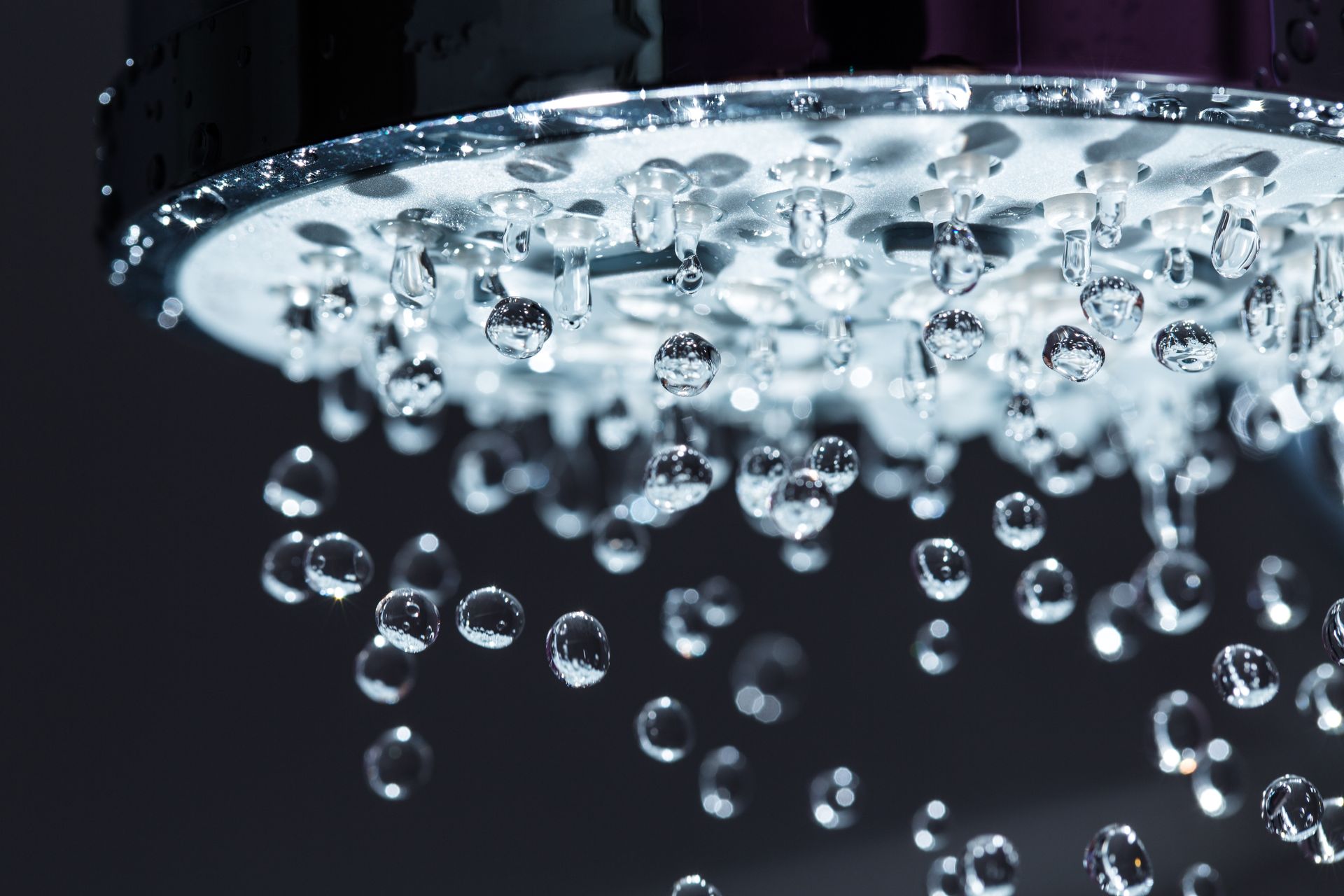
The difference is noticeable within weeks of moving in. Scale will form on your showerheads and faucets. Dishes will come out of the dishwasher spotted. Laundry will feel stiffer. Your water heater and washing machine will accumulate mineral deposits that reduce efficiency and shorten lifespan. None of this is dangerous — but it is real, and it adds up.
Tampa's Water Also Has a Distinct Taste
In addition to hardness, Tampa Bay Water uses monochloramines — a blend of chlorine and ammonia — as a disinfectant. Unlike free chlorine, which dissipates quickly, monochloramines are stable and persistent. Many new Tampa residents notice a faint chemical taste or odor from the tap, especially in the first few weeks before they adjust. Standard pitcher filters like Brita are often not effective against chloramines — they are designed for free chlorine. If you try a pitcher filter and still notice the taste, this is why.
What New Tampa Homeowners Should Do Before Moving In
The best time to address Tampa's water is before you move in — not after you have been running hard water through new appliances for six months. Here is the recommended sequence:
1. Schedule a free water test
Florida Water Treatment offers free in-home water tests for Tampa and Hillsborough County homeowners. The test takes about 30 minutes and gives you a complete picture of your water's hardness level, chloramine concentration, iron, pH, and more. The results determine which system or combination is right for your specific home — not a guess based on the regional average.
2. Know what tests matter for your home
| Water Test | Why It Matters for Tampa/Hillsborough County Homes |
|---|---|
| Water hardness test | Confirms GPG level; determines softener size and type needed |
| Chloramine / chlorine test | Identifies taste/odor source; determines if filtration system is warranted |
| Lead test | Important for homes built pre-1986; confirms whether point-of-use RO is needed |
| Iron / sulphur test | Critical for well water; affects taste, staining, and appliance wear |
| pH and TDS | Baseline reading; useful if you plan to install RO or are sensitive to water taste |
3. Install before you unpack
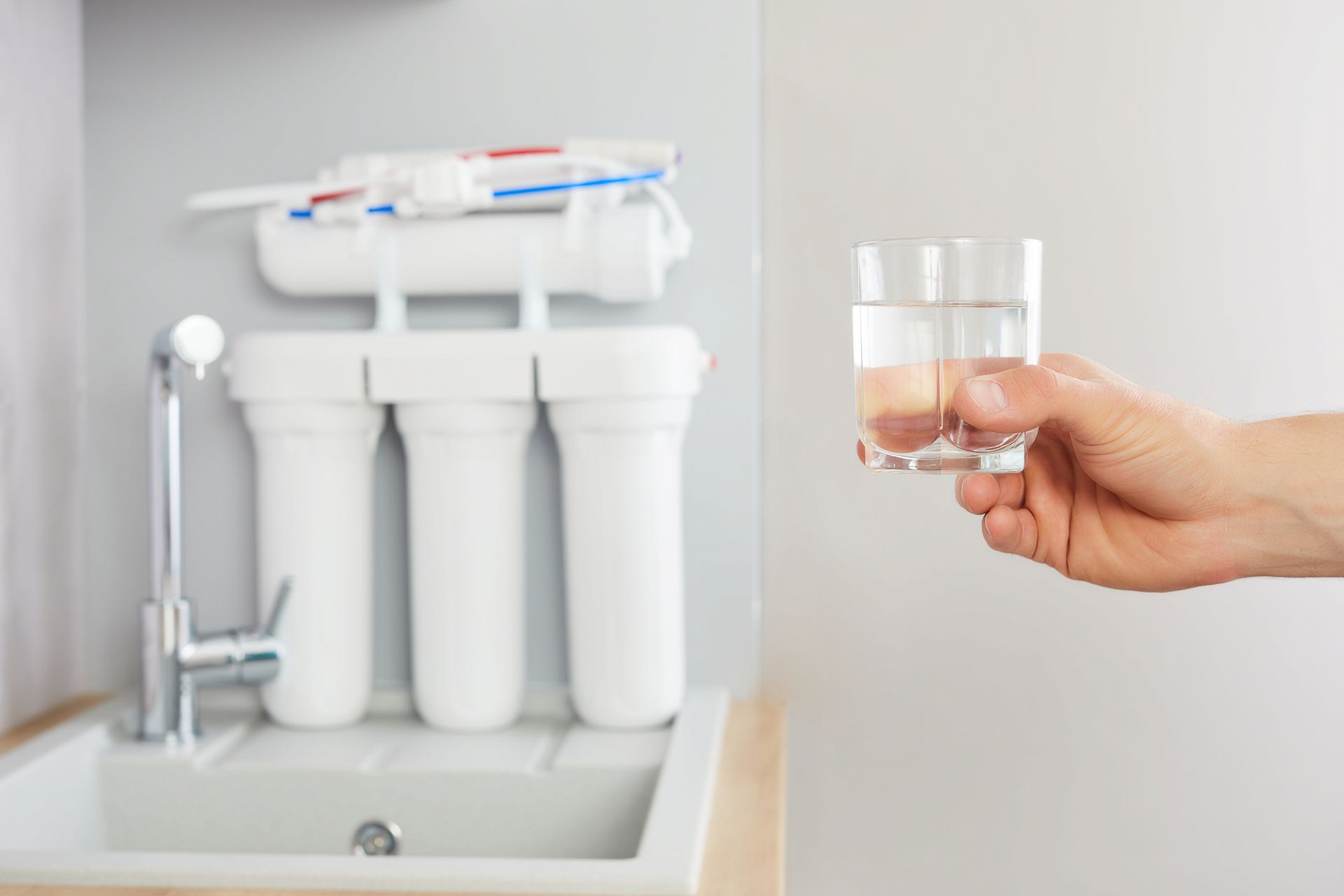
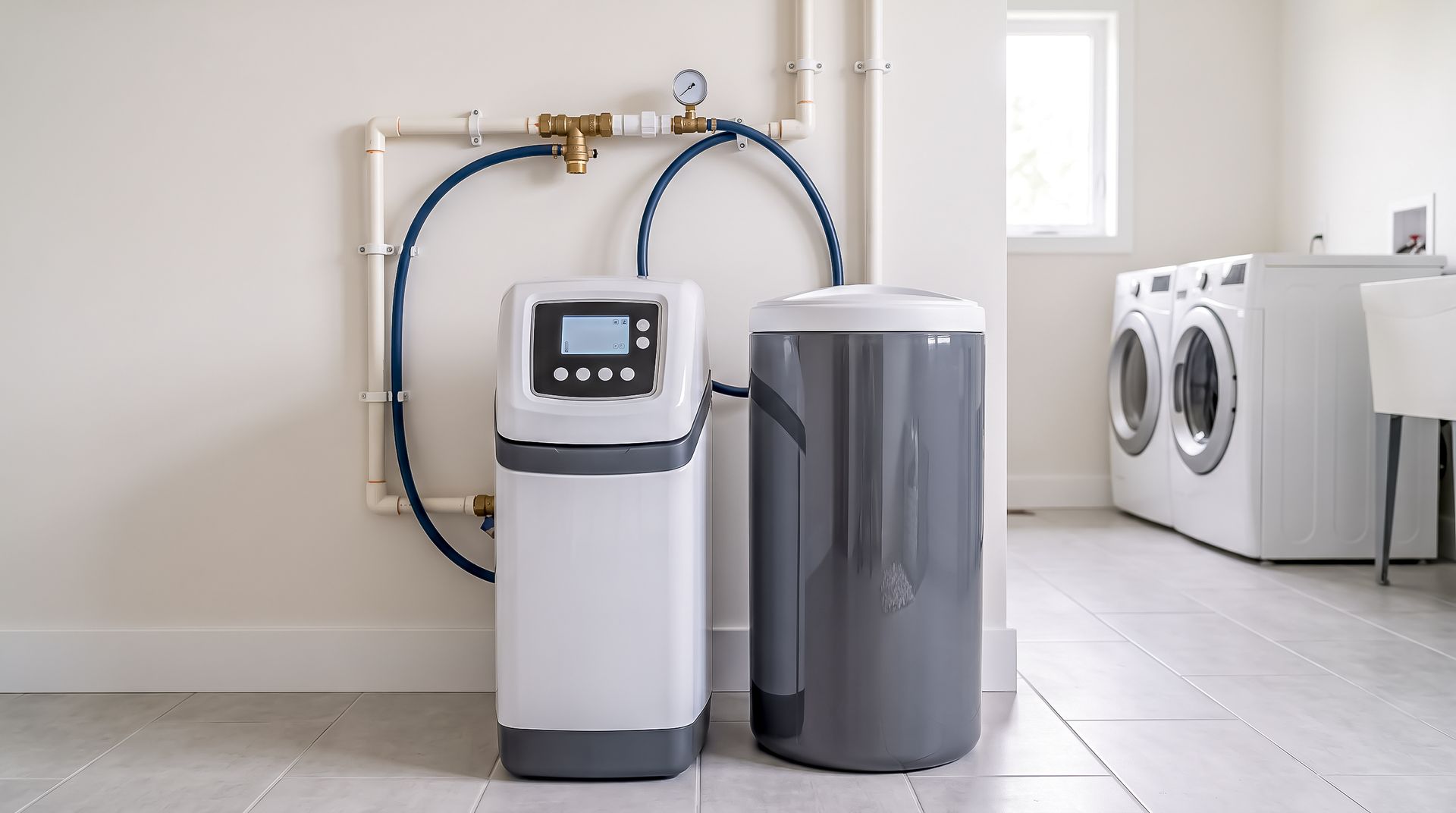
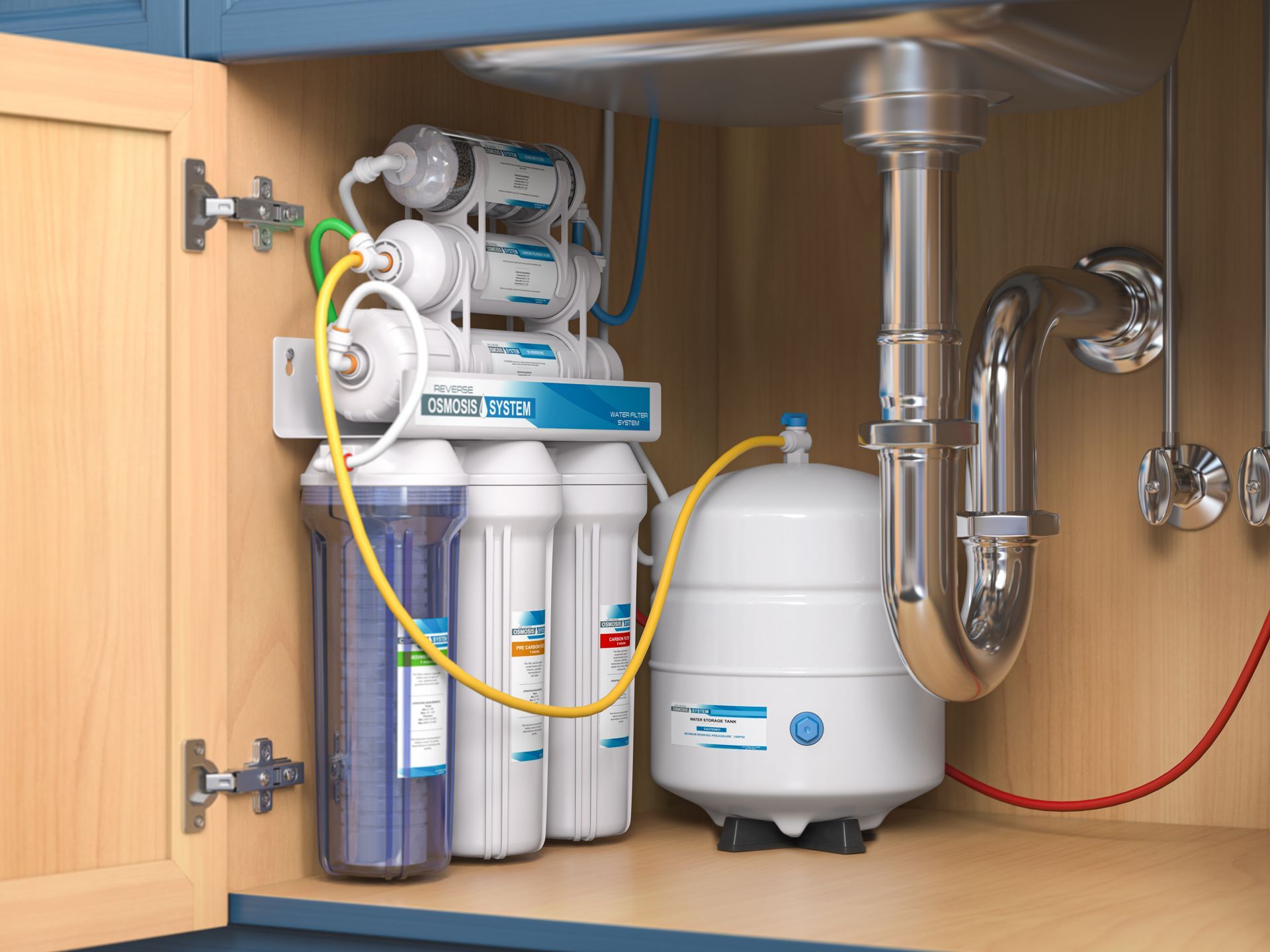
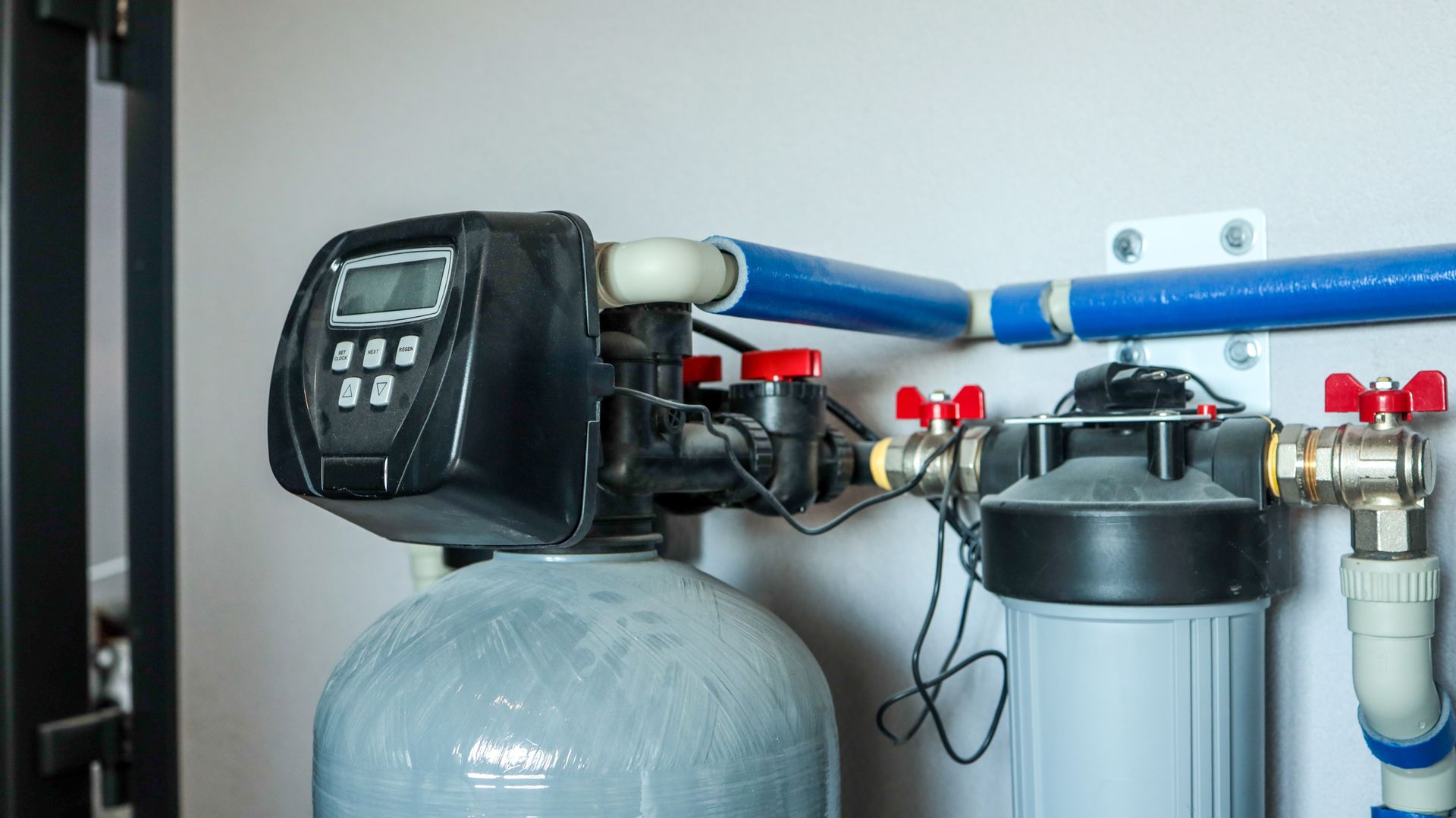
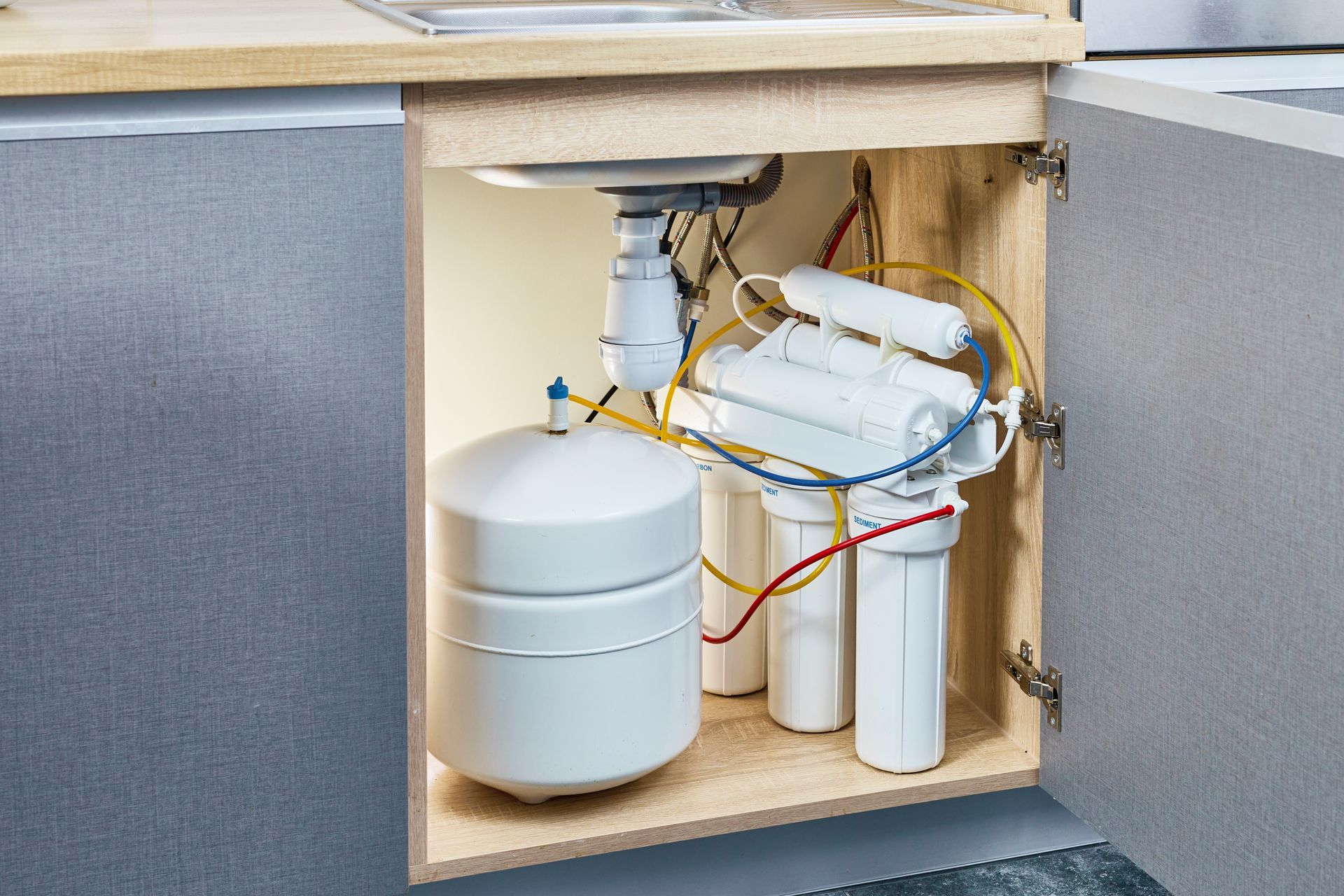
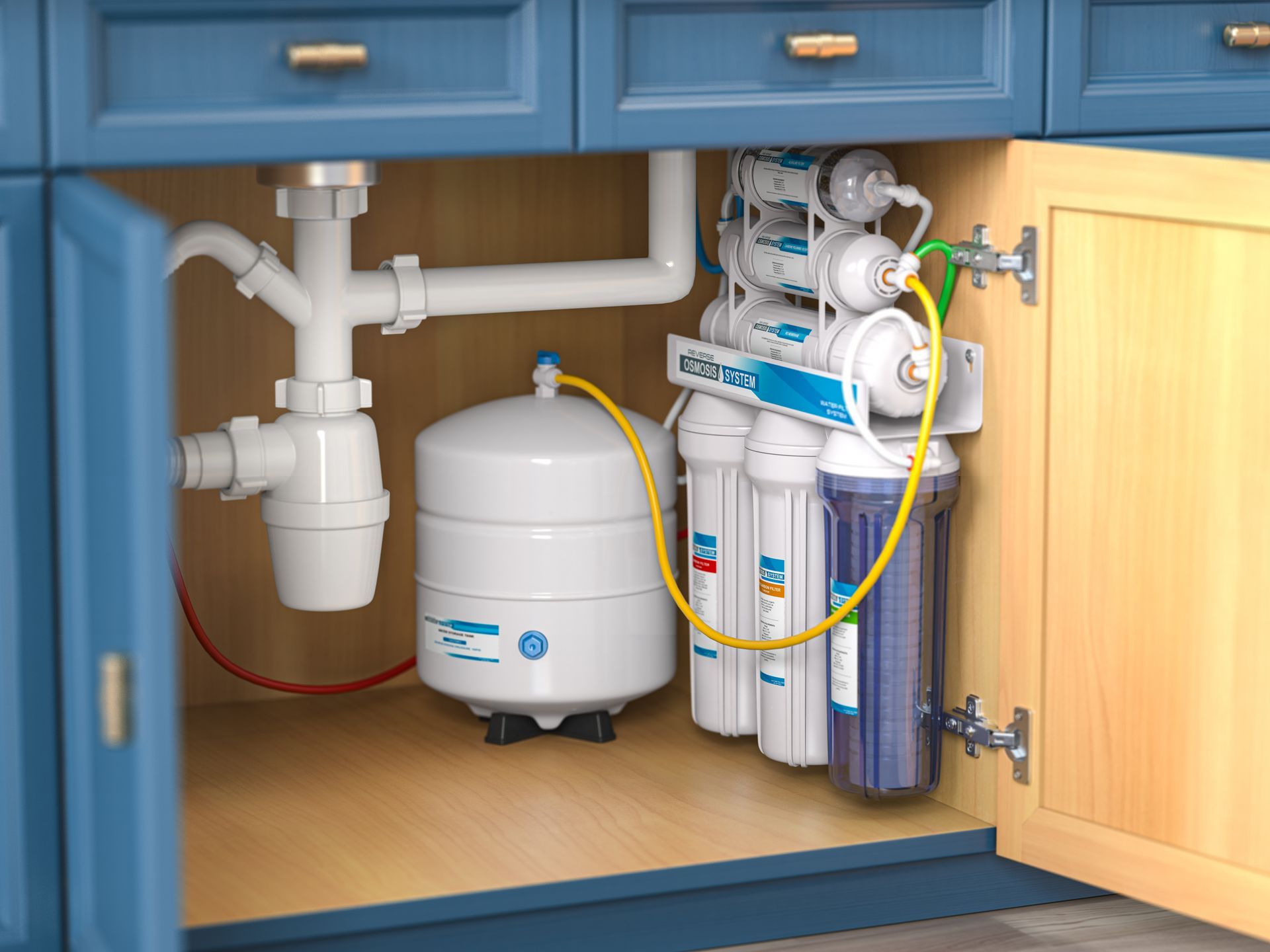
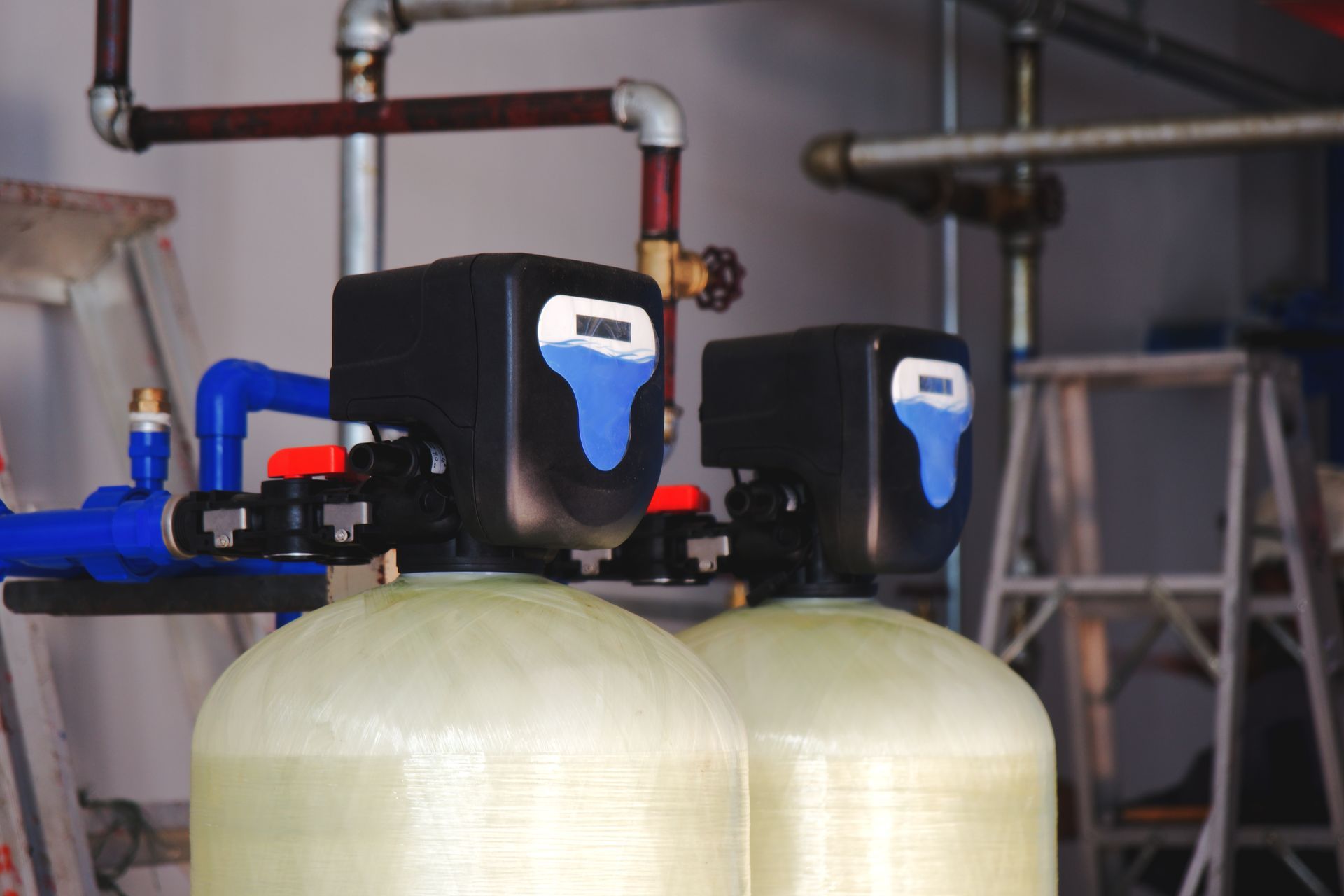
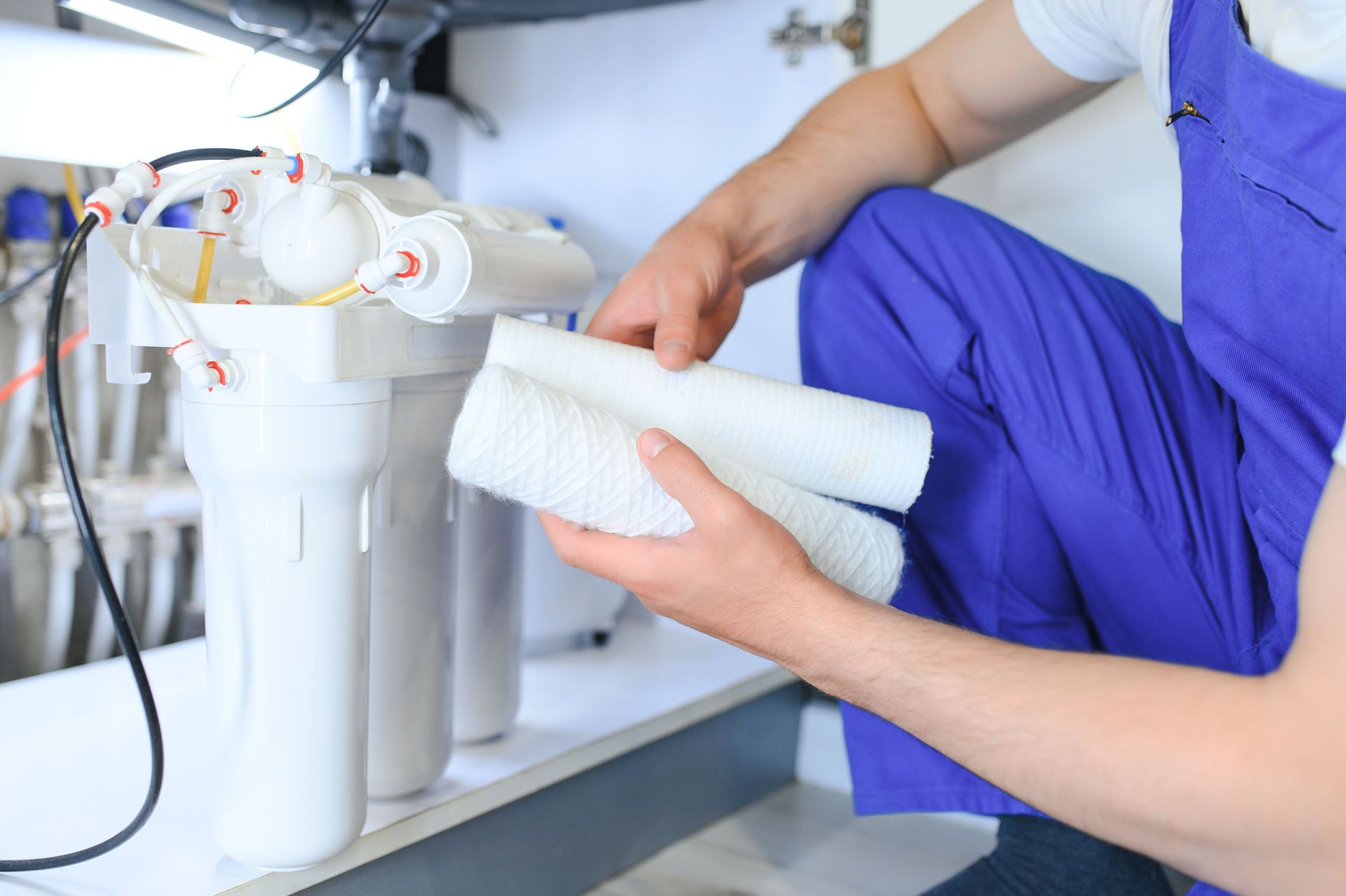
A water softener installation in Tampa, FL takes 2–4 hours and protects every appliance, fixture, and pipe in your new home from day one. Installing after you have already run hard water through a new water heater for six months means starting behind — scale accumulates quickly at Tampa's 10–15 GPG. For taste and chemical concerns, a home water filtration system addresses chloramines and sediment throughout the home.
If You Are Moving Into a Home With an Existing Water Softener
Many Tampa homes already have a water softener installed by the previous owner. Before assuming it is working correctly, have it serviced and tested. A softener that has not been maintained — with clogged resin, exhausted salt, or a miscalibrated regeneration cycle — provides little protection and may actually make water quality worse. Ask the previous owner when the system was last serviced and what brand it is. Florida Water Treatment services all major brands.
The Bottom Line for New Tampa Residents
Tampa is a genuinely great place to live, and its water is safe by every regulatory measure. But "safe" and "ideal" are not the same thing, and the hardness and chloramine levels in Tampa's supply are high enough to affect your home, your appliances, and your daily experience of the water. Addressing this at move-in — with a free water test and the right system — is significantly cheaper and easier than addressing it after the damage accumulates.
Just moved to Tampa or planning your move? Start with a free water test.
Florida Water Treatment serves new Tampa residents across Hillsborough County with free water testing and same-week installation. Call 813-224-9620 to schedule — or visit flawatertreatment.com/water-softener-installation-tampa-fl.
Frequently Asked Questions
How quickly will I notice Tampa's hard water in a new home?
Most new Tampa residents notice hard water effects within the first two to four weeks of moving in. Scale on showerheads and faucets is usually the first visible sign. A chemical taste in drinking water from the tap is often noticed immediately. Inside appliances — water heaters, dishwashers, washing machines — scale accumulates silently and becomes noticeable only when efficiency drops or a component fails, typically after several months or years. This is why installing a water softener before or immediately after move-in is significantly more cost-effective than waiting.
Is Tampa's water harder than where most people move from?
For most people relocating to Tampa from outside Florida, yes — significantly. Tampa's 10–15 GPG is classified as very hard, compared to a US national average of around 7–8 GPG. Cities in the northeast and Pacific Northwest commonly have water at 1–5 GPG. Even within Florida, Tampa's water is harder than Miami (4–7 GPG) and Jacksonville (3–5 GPG). The adjustment is noticeable, and the appliance and plumbing protection argument for a water softener is stronger in Tampa than in most US cities.